

Child Passenger

Child Passenger Rights in Scottish Road Traffic Accidents

When it comes to travelling with children in a vehicle, safety should be at the front of every driver’s mind. Children are more vulnerable than adults in road traffic accidents, and extra care needs to be taken to protect them. Understanding the rights of child passengers is one part of creating a safer environment on the road, especially in busy areas like Glasgow.

If a child is involved in a road traffic accident in Scotland, knowing what protections the law provides can help their family feel more confident about what comes next. People often assume these rules are the same across the country, but Scotland has specific regulations around child car seats, restraints and driver responsibility. Whether you’re a parent, grandparent or carer, being aware of the legal duties when travelling with children is not just about safety – it’s about being prepared in case something goes wrong.

Understanding Child Passenger Rights in Scotland

Scotland has clear rules aimed at keeping children safe while being transported in vehicles. These apply to private cars, taxis and public transport where seatbelts are fitted. If a child is injured in a road traffic accident in Scotland and these rules weren’t followed, it could affect how responsibility is assigned.

Children must use a child car seat until they are 12 years old or 135 centimetres tall, whichever comes first. The seat type is chosen based on the child’s height and weight and must be fitted correctly. Once they outgrow these requirements, a booster seat or cushion can be used with an adult seatbelt. It is the legal duty of the driver to make sure any passenger under the age of 14 is properly restrained.

Here’s what the law expects:

– Babies up to 15 months: use a rear-facing car seat.
– Toddlers up to age 4: move to a forward-facing car seat once they outgrow the rear-facing one.
– Children aged 4 to 12 (or under 135 cm): should use a booster seat or cushion with the car’s seatbelt.
– Children over 12 or taller than 135 cm: can use a standard seatbelt.

Drivers must use only car seats that are EU-approved and marked with the ECE R44 or R129 label. Seatbelts should not be shared between passengers, and a child in a rear-facing car seat should not be placed in a seat with an active airbag. These may sound like small details, but they have a big impact on safety and any compensation claims that follow an accident.

Common Causes of Road Traffic Accidents Involving Child Passengers

Even when child safety rules are followed, accidents can still happen. Some situations commonly put children at risk, especially in busy places like Glasgow.

Some usual causes include:

– Distracted driving – whether that’s texting, eating or talking to children in the back seat.
– Speeding – higher speeds reduce the chance to react in time to sudden stops or hazards.
– Poorly fitted car seats – a seat that isn’t strapped in right can give little to no protection in a crash.
– Tired drivers – lack of rest lowers a driver’s focus and reaction time.
– Bad weather and road conditions – rain, ice or low visibility all increase the chances of a collision.

An example might be a driver in central Glasgow adjusting a sat-nav while failing to slow down at a school crossing. Even at a slower speed, that kind of distraction can lead to a crash. If the child isn’t properly secured or if the car seat isn’t correctly installed, injury is much more likely.

Knowing what makes accidents more likely means drivers can take steps to prevent them. This includes setting up the car the right way, allowing more travel time and staying focused on the road.

Steps to Take if Your Child is Involved in a Road Traffic Accident in Scotland

If a child is involved in a road traffic accident in Scotland, what happens next matters a lot. The first step is always to make sure everyone is safe. How you handle the aftermath can affect both your child’s medical recovery and any claim that might follow.

Start by checking whether your child is injured. Don’t rely on their initial response, as some injuries can take time to show. Visiting a doctor right away is the best approach. This helps catch any hidden issues and ensures a record exists for the claim process.

Basic steps after an accident:

1. Call emergency services if anyone is hurt or if the road is blocked.
2. If it’s safe to do so, move the vehicle to a safe spot and switch on hazard lights.
3. Comfort your child. Stay calm and reassuring to help reduce their stress.
4. Note down and exchange details with other drivers: names, contact info, insurance details and vehicle registration numbers.
5. Take photos of the scene, damage to vehicles and any visible injuries or road conditions.
6. Report the accident to the police if an injury has occurred.
7. Notify your insurer and keep copies of all related documents like bills, reports and treatment notes.

Let’s say a family is driving back from a Glasgow Christmas market when another car swerves and hits the rear bumper. Even if the children seem fine at first, a day or two later they might start complaining of aches or emotional upset. Getting them checked and keeping a record from day one is helpful for both health and legal reasons.

Pursuing Compensation Claims for Injured Child Passengers

When a child is injured in a road traffic accident in Scotland, a parent or guardian can make a claim on their behalf. This is often the best way to cover the impact of the accident – not only the child’s injuries, but the wider effects on their everyday life.

Since a child can’t legally handle their own claim, an adult known as a litigation friend will do so. Usually, this is one of the parents or the legal guardian. Even if there’s an agreement between both parties on the payout, the court still needs to approve the settlement. In most cases, the money is held in a specific account until the child turns 16. However, it can be accessed earlier to pay for specific care or treatment as needed.

Working with a solicitor helps families understand what they can claim for and how to build a strong case. Types of compensation might include:

– Physical injuries and ongoing treatment
– Emotional distress or trauma requiring therapy
– Travel to and from medical appointments
– Missed education support like tutoring
– Short and long term care if needed
– Effects on the child’s ability to earn in the future

Time matters. In Scotland, claims involving a child typically need to be started before they reach 19. But waiting too long can make collecting evidence harder. It’s usually easier when the details are still fresh.

Helping Keep Children Safe on Scotland’s Roads

Getting behind the wheel with children in the car comes with extra responsibility. For many parents doing school runs, sports club trips or visits to family, this routine means safety habits might start to slip.

That’s why reviewing your safety setup often matters. Check that car seats are still size-appropriate and free from damage. Make sure your child knows the basics, like not playing with seatbelts. Take things a bit slower in tricky conditions and avoid distractions.

By December, especially in cities like Glasgow, road conditions can be tough. Reduced daylight means school pickups might happen in the dark. Drivers are often stressed with holiday plans or weather delays. Taking time to drive more carefully adds a layer of safety your children depend on.

Keeping up to date with child safety rules and knowing what to do if something goes wrong can make any accident far less damaging. Both emotionally and physically, how you respond makes a difference.

No one wants their child involved in a crash, but being informed means you’re ready if it does happen.

Experiencing a road traffic accident in Scotland can be overwhelming, especially when it involves your children. With the right support, you can navigate the legalities and focus on your family’s well-being. Let Bonnar Accident Law guide you through the claims process, ensuring that you and your child receive the care and compensation you deserve. Learn more about how we can help after a road traffic accident in Scotland.

Road Injury

Recovery Time and Compensation for Serious Road Injuries

A serious road accident can change your life in an instant. From physical pain and long recovery periods to the emotional toll and disruption of daily routines, the impact goes beyond the immediate moment of the crash. For many people in Glasgow, understanding how long recovery might take and what kind of help is available can provide some reassurance during a really stressful time.

Whether you’re dealing with broken bones, serious head injuries or long-term mobility problems, knowing your rights matters. You might be able to make a claim, but it’s equally important to focus on getting better and not feel rushed through recovery. This looks closely at how recovery and compensation are connected, and what steps can make both easier for you.

Understanding Serious Road Injuries And Recovery Time

Some injuries are more than cuts and bruises. They can take weeks, months or longer to recover from. Every case is different, depending on how the accident happened and what part of the body was affected. Here’s an overview of some of the more serious injuries that can happen in a road accident:

– Head and brain injuries: These can range from mild concussions to more serious traumatic brain injuries, causing issues with memory, concentration or speech.
– Spinal cord injuries: Damage here can mean anything from temporary numbness to long-term paralysis.
– Broken bones and multiple fractures: A simple break may heal in weeks, but complex fractures might need surgery and months of physiotherapy.
– Internal injuries: These aren’t always noticed straight away but can lead to serious problems if not treated quickly.

Recovery time depends on the type of injury, personal health, and how quickly you get proper treatment. Some people recover steadily with physical therapy, while others need long-term care. If someone has more than one injury, this can slow the process down even more.

Another major part of recovery is getting clear medical assessments. Not only do these reports help plan treatment but they also support your compensation claim. Without the right medical evidence, it becomes harder to show how badly you’ve been affected and what kind of help you need going forward. That’s why it’s a good idea to keep copies of every appointment, scan and medical report from the start. These records paint the full picture of what you’re going through and pair clearly with the claims process.

Legal Rights And Serious Injury Compensation Claims

If you’ve been hurt badly in a road accident because of someone else’s actions or negligence, you might be able to claim serious injury compensation. These types of claims apply when the accident causes lasting damage to your health, your ability to work or how you live your day-to-day life.

There are a few basic things that must be true to make a claim work:

1. The injury must be serious. This includes injuries that will take a long time to heal or may never fully heal.
2. The accident must have been someone else’s fault, like another driver not paying attention or driving recklessly.
3. There needs to be evidence. This might include police reports, medical records, and witness statements.

Here’s what you should do straight after a serious accident:

– Get medical help right away, even if the injury doesn’t seem major at first.
– Report the accident to the police and get a copy of their report.
– Take photos of the scene, your injuries and any damage to your vehicle.
– Collect names and contact details of any witnesses.
– Record how the injury is affecting your work, home life and emotional wellbeing.

The sooner you gather this information, the easier it is to build a strong claim. A good claim will clearly link the injury with the accident, show how deeply your life has been affected and explain what financial support you need to move forward.

Understanding your rights helps you feel a bit more in control during an uncertain time. Taking action doesn’t have to mean rushing into decisions either. It’s about making sure that, when you’re ready, you have the right support in place and know what to expect.

How Compensation Can Aid Recovery

When you’ve been through a serious injury, the last thing you want is added stress over money. While your focus should be on healing, compensation can provide practical support that allows you to do just that. From paying for private physiotherapy to covering lost income, a claim can bring some balance back into your life.

Here’s how compensation can make a difference during and after recovery:

– It can help cover medical bills, including treatment that’s not available straight away through public healthcare.
– Lost wages or reduced hours from being unable to work are often included in claims.
– Travel costs for hospital appointments and support services may be paid back.
– Changes needed at home, such as bathroom adaptations or mobility equipment, can be factored into the claim.
– Ongoing care or therapy that’s required long after initial treatment is also considered.

There’s also emotional support to think about. Long-term health issues don’t just sit in one corner of your life. They can affect your job, family, independence, and mental health. The right financial backing might not take away the trauma of what happened, but it can help rebuild a sense of control.

Some claims show how life can move forward even after serious setbacks. For example, someone injured in a motorbike crash was able to get funds for private rehabilitation and income support when they couldn’t return to work. They used compensation to get back on their feet and retrain in a new field. It didn’t fix everything, but it gave them a fresh start.

Navigating The Claims Process In Glasgow

Knowing where to start can feel a bit overwhelming, especially when you’re dealing with pain, appointments and anxiety all at once. That said, the right help can take a lot of the pressure off.

Here’s what the process usually looks like for serious injury compensation claims in Glasgow:

1. A specialist solicitor will speak to you to understand what happened and how the injury is affecting your life.
2. They’ll gather medical reports, accident details, witness statements and any other needed records.
3. If someone else was clearly at fault, your legal team sends a formal letter to their insurer or legal rep explaining the claim.
4. While the process gets underway, your solicitor may arrange expert medical exams to support your claim.
5. If a settlement is agreed, money will be paid directly to you. Some cases may take longer, depending on complexity and how much the other party disputes what happened.

Each stage is about making sure your life and health are properly valued. And the process isn’t rushed. If you’re still being treated or doctors say the long-term outcomes are unclear, there’s often a wait before finalising compensation. That helps make sure the settlement reflects the full impact of the injury.

In Glasgow, where traffic can be heavy and roadworks frequent, accidents with serious outcomes aren’t uncommon. You don’t need to figure everything out alone. Starting a claim should feel manageable, with support at every point.

Your Health Comes First, But Your Rights Matter Too

There’s no easy way through a serious road injury. The pain, frustration, and uncertainty can feel like a full-time job of their own. While everyone’s recovery timeline will differ, having your needs recognised and supported through a claim is part of getting back what was taken from you.

This isn’t about making quick decisions. It’s about being treated fairly, and about receiving support that matches the life you now face. Whether your injury has kept you off work temporarily or changed what you’re able to do long-term, making a claim gives you the chance to focus on healing without added financial pressure.

The process doesn’t need to be complicated, and it doesn’t all rest on your shoulders. With the right guidance, you can make sense of your rights, weigh your options, and move forward when you’re ready. Every step you take, no matter how small, is a step closer to putting your life back together.

Getting back to normal life after a serious road accident can feel overwhelming, but understanding your options can help. To explore your rights and the potential for serious injury compensation claims, reach out when you’re ready. At Bonnar Accident Law, our focus is on supporting you through every stage of the process, ensuring you’re not alone in navigating the path to recovery.

Multi-Car Accidents

Multiple Vehicle Collisions: Who Pays for Damages?

Getting into a traffic accident is stressful enough, but when more than two vehicles are involved, it often adds a layer of confusion. These incidents can make it hard to figure out who caused the crash, how the damage happened, and most importantly, who’s going to pay for it. In cities like Glasgow, where roads are often busier during the colder months, the chances of these pile-ups aren’t unheard of. So, it makes sense that people want clear answers about their rights and responsibilities after such events.

Whether it’s a three-car collision on the motorway or several vehicles piled up at a junction, the process that follows can feel chaotic. Sorting through damaged vehicles, shaken drivers, insurance paperwork, and financial stress takes a toll. If you’ve been part of this kind of mess, it’s only natural to wonder who gets the blame and how compensation works when there are several parties involved. That’s where knowing how these types of road traffic accidents are handled comes in handy.

Understanding Multiple Vehicle Collisions

Often called chain reaction or multi-car crashes, multiple vehicle collisions involve three or more vehicles hitting each other in a sequence. They tend to happen in high-traffic areas or during poor driving conditions such as icy roads or heavy rainfall. In a place like Glasgow, with its mix of urban traffic, roundabouts, and narrow residential streets, it’s easy to see how mistakes or bad judgement from one driver can quickly involve several others.

Common scenarios include:

– A car slowing down suddenly on a busy street, leading to a pile-up behind it
– A vehicle losing control on a slippery bend and crashing into oncoming traffic
– A driver running a red light and causing a chain of collisions in the intersection

Each vehicle might suffer different types of damage, and every driver will likely have a story about how the crash happened. But just because you hit someone from behind doesn’t always mean you’re automatically to blame. Things might not be so clear-cut. One car could have forced others to swerve or brake suddenly, setting off a larger accident. That’s why these cases often take time to piece together properly.

People involved in these accidents might walk away with just minor dents, while others could be dealing with serious injuries and major repairs. There might be passengers involved too, which further complicates the situation and raises more questions about costs and liability.

Determining Liability

When you’re dealing with several people and vehicles, pointing fingers becomes complicated. Yet figuring out who’s at fault is one of the first steps when filing a claim. In multiple vehicle collisions, fault might rest with one driver, or it might be shared among a few. Investigators need to untangle who caused what, in what order, and how drivers reacted.

Here are the main things used to work out liability:

– Police reports: These are key. Officers usually note the positions of vehicles, visible skid marks, weather conditions, and any laws that may have been broken. Their observations can carry a lot of weight later on
– Dashcam footage: With more drivers using dashcams, these videos can be helpful in understanding how the crash actually started
– Witness statements: Bystanders or other drivers not involved might have seen what happened. A neutral viewpoint can sometimes clear up confusion
– Road and vehicle damage: The type and location of damage can reveal whether a vehicle braked, swerved, or got hit more than once, helping build a timeline of events

Let’s say a driver at the front suddenly slammed on their brakes without any reason, and the car behind managed to stop in time but the third vehicle didn’t and pushed the second into the first. In this case, the third driver might hold most of the responsibility, not the second. This example shows how understanding every moment counts. It’s normal to feel uneasy when guilt is being handed around, but getting things right is key to making sure the right person is held responsible.

Who Pays For Damages?

Once the crash is investigated and drivers are held responsible, the next question is usually: who’s going to pay for everything? The answer depends on a few things, including the type of insurance each driver has, who’s been found at fault, and the extent of the losses involved.

In the UK, car insurance providers usually handle damage through:

– Third-party cover: This covers any damage or injury caused to others but doesn’t pay for your own vehicle repairs or injuries. If you’re at fault in a multi-car crash and only have this cover, you could be paying for your own repairs out of pocket
– Comprehensive cover: This allows you to claim for damage to your own car even if you were to blame. It also covers damage to other people’s vehicles depending on the policy terms
– Uninsured driver claims: If someone involved in the collision doesn’t have valid insurance, this usually adds a layer of stress. While there are ways to still seek compensation, the process tends to take longer

One of the tricky parts in Glasgow is that every crash is a little different. A driver with full coverage might walk away with their expenses sorted, while another driver with limited insurance may struggle to cover even basic repair costs. It’s also worth pointing out that insurers can spend time debating fault among themselves, which delays claims being settled. And if more than one driver is at fault, costs can sometimes be split between insurance companies based on the percentage of blame.

It’s not unusual for people to end up paying part or all of the costs themselves, especially if their policy doesn’t cover everything or their insurer can’t clearly prove fault. That’s why understanding your own insurance and knowing what to expect in complex crashes helps set realistic expectations after an accident.

Getting Legal Help After A Road Traffic Accident In Glasgow

After a multiple vehicle collision, people often feel overwhelmed. Between dealing with car repairs, time off work, pain or injury, and back-and-forth conversations with insurers, the whole situation can take a toll. When the collision involves more than two cars, everything tends to get more complicated, from proving fault to making sure the costs are properly recovered.

This is where speaking to a solicitor can make a big difference. Not only do they help explain your rights clearly, but they also deal with the legal side of things, taking pressure off you. In a place like Glasgow, which sees a wide mix of road layouts and driving behaviour, it’s helpful to work with someone familiar with the area and how local conditions might affect the outcome of an accident.

Legal help is also useful if you have injuries and need medical costs covered or compensation for time away from work. And when you’re dealing with multiple insurers, legal advice can help make sure your voice is heard and that no details are missed that could affect your claim. It’s not about creating conflict but about making sure everything is fair.

What To Do After A Multi-Car Collision

If you’re caught in a multiple vehicle road traffic accident in Glasgow, what you do straight after matters. Even if it doesn’t seem serious at first, shock can mess up your thinking, and details might get lost if you don’t take action early.

Here’s a simple list to help guide your steps:

1. Stay as calm as possible and check if anyone is hurt
2. Call emergency services if someone needs medical attention or if there’s any danger at the scene
3. Exchange names, registration numbers, and insurance details with all other drivers involved
4. Take photos of the vehicles, road layout, skid marks, nearby signs, and any visible injuries
5. Get contact info from witnesses who saw the full crash take place
6. Report the crash to the police if there are injuries or major damage
7. Let your insurance company know as soon as you can
8. Speak with a solicitor to understand your next steps clearly and avoid mistakes during the claim process

It’s easy to want to go straight home after a terrifying crash, but doing just a few of these things will put you in a stronger position later.

Navigating the Aftermath with Bonnar Accident Law

Multiple vehicle collisions are rarely simple. The more people involved, the harder it becomes to figure out what really happened and who owes what. But knowing how liability is decided, what insurance covers, and what steps to take makes it easier to get through a difficult situation.

Whether the crash left your car in a garage or sent you to hospital, understanding your options brings a bit of control back during a time that can feel pretty uncertain. No one should be left confused or unfairly blamed in a situation they didn’t create, and no one should have to deal with the aftermath alone.

If you’ve been involved in a complicated road traffic accident in Glasgow, getting the right advice early on can make a real difference. Bonnar Accident Law is here to support you with clear guidance and local experience to help you move forward. To understand how we can help with your specific situation, explore your options after a road traffic accident in Glasgow.

dashcam

What Dashcam Footage Can Prove in Your Accident Claim

When you’re out driving, accidents can happen in a split second. The moments after a crash are often confusing, especially when it comes to figuring out who was at fault. That’s where dashcam footage can really help. It offers a clear, unbiased look at what actually happened on the road, and it’s becoming more and more useful when trying to prove what went wrong during a traffic accident.

In Glasgow, where busy streets, unexpected weather, and high traffic areas raise the chances of collisions, having solid evidence can make a big difference. Dashcams give drivers and passengers peace of mind. They don’t just record footage, they can support a claim when it’s time to explain your side of the story. If you’re ever in this situation, that video clip could be what helps set the record straight.

The Role Of Dashcams In Traffic Accidents

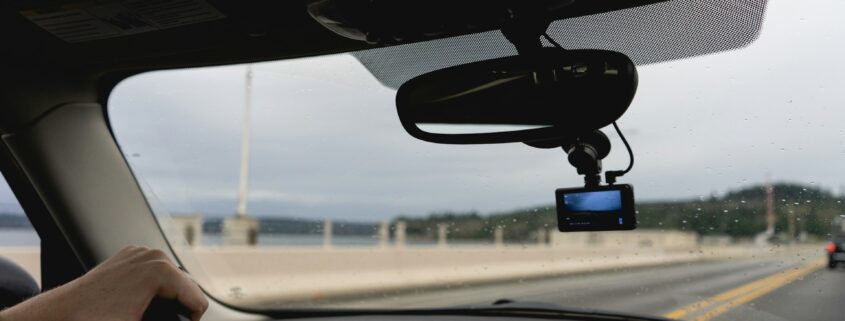
A dashcam, short for dashboard camera, is a small device mounted on your windscreen or dashboard that records what’s going on in front of or behind the vehicle. Some dashcams even record inside the cabin. They switch on with your car’s ignition and keep rolling until the engine turns off. With memory cards capable of holding hours of footage and cloud-based backups, these devices are designed to catch everything while you drive.

In Glasgow, more drivers are getting dashcams as a normal part of their kit, like a seatbelt or phone charger. The city’s mix of narrow roads, heavy traffic, and busy motorways makes recording on the go feel like common sense. For some, it’s because they’ve seen accidents happen too often. For others, it’s a helpful thing to have in case the road gets unpredictable whether from other cars, cyclists, or even pedestrians.

When accidents happen, a dashcam can do more than just capture the crash itself. It can show the lead-up, what the driver and others were doing, and what the road conditions were like. All of that helps build a clearer picture, especially when it comes to making a claim for traffic accidents in Glasgow. Without one, it may just come down to one driver’s word against another’s. But with one, it becomes much easier to lay out the facts.

Types Of Evidence Captured By Dashcams

Dashcams aren’t just cameras. They’re mini data collectors. The kind of evidence they provide includes more than just standard video footage. Depending on the features of the device, a dashcam can often pick up sound, speed, time stamps, and location data, all of which work together to give a detailed picture of what happened.

Here’s a list of what most good-quality dashcams typically record:

– High-definition video: Shows clear images of the vehicles, licence plates, street signs, and traffic signals
– Wide-angle view: Captures more of the environment around the car, including other lanes or pavements
– Audio recording: Picks up conversations inside the vehicle or environmental noises like horns or sirens
– GPS data: Tracks the vehicle’s speed, direction, and exact location
– Time and date stamps: Shows precisely when the footage was taken, often down to the second
– G-sensor activation: Registers sudden movements, like braking hard or getting hit, and saves that part of the video separately to avoid being overwritten

All of this information can be used to support your version of events. For example, if another driver says you were speeding through a red light, your dashcam might show that the light was green and your speed was reasonable. That kind of backup goes a long way when you’re trying to show what really happened, especially in insurance claims or legal conversations after traffic accidents in Glasgow.

Legal Implications Of Dashcam Footage

In Scotland, dashcam footage is generally allowed to be used as evidence, but there are a few things you need to get right. First, the footage must be clear and have a legitimate link to the accident. That means showing what actually happened before, during, or after the crash. If the recording is too blurry or doesn’t offer a full view of the collision, it might not help much.

One important thing to keep in mind is personal privacy. If your dashcam records audio or captures people’s faces, there are certain guidelines that come into play. For personal use, recording public spaces is usually fine, but problems can arise if someone tries to share or publish that content online. In a claim, though, the key is to provide the footage directly to the solicitor or insurance company handling the case, not post it somewhere else.

Courts in Scotland may consider dashcam footage during a personal injury case, especially if it helps support someone’s version of events. While no piece of evidence can fully decide a case on its own, having video proof can give your claim a stronger foundation. Whether it shows another driver cutting you off or speeding through a red light, the footage can often speak louder than words.

How Dashcam Footage Can Affect Your Claim

When you submit dashcam footage as part of your accident claim, it can immediately change how seriously your case is taken. Claims with strong visual evidence are often harder to dismiss. It reduces doubt and helps decision-makers see what really happened, even if the story is complicated.

Here are a few ways dashcam footage can influence your claim:

– Confirming the sequence of events leading up to the crash
– Proving that the other driver was distracted, speeding, or running a red light
– Showing that you were driving safely and were impacted unexpectedly
– Clearing up disputes where each party tells a different story
– Supporting witness claims or showing that no reliable witness was present

Take for instance a situation in Glasgow where a car was sideswiped on a tight city street. Both drivers told different stories about who crossed into which lane. But when one driver submitted dashcam footage showing their correct lane position and speed, their case quickly became much easier to believe. Without that recording, it would likely have turned into a lengthy argument over fault.

Dashcam footage doesn’t just make life easier for you. It helps speed up communication between accident investigators, insurers, and legal teams. That alone can make a big difference in how long it takes to get a fair outcome.

Navigating The Claims Process With Dashcam Evidence

If you’ve got dashcam footage after an accident, you’ll want to handle it carefully from the start. Make sure it’s saved securely, and try not to edit or cut anything out. When a claim is being reviewed, the more complete and original the recording, the better.

Simple steps to get things in order include:

– Backing up the footage on more than one device or storage system
– Writing down the date, time, and place of the incident while it’s fresh in your memory
– Making short notes about what the dashcam shows, so you’re ready to explain details
– Avoiding sharing the footage online, especially on social media
– Mentioning in your claim or to your solicitor that you have dashcam evidence available

A personal injury specialist can help guide you through showcasing your footage the right way. They’ll know how to structure your case around the most helpful parts of the recording, whether that means zooming in on a number plate, pointing out distance from a junction, or handling objections from the other side.

Making Your Case Stronger With Dashcam Footage

Even with just a few seconds of video, dashcam footage can strengthen an accident claim in ways few other sources can. It gives an honest look at how the crash unfolded and removes guesswork from the process. This is especially useful when claims get held up by back-and-forth debates or a lack of reliable witnesses.

If you live or work in Glasgow, having a dashcam is a smart choice. The city’s traffic is often unpredictable, with narrow lanes, sudden stops, and tricky junctions. That makes it easy for accidents to happen and hard to explain what went wrong. But with a dashcam turned on, you’ll always have a clear, time-stamped record of your journey.

Installing one might take just a couple of minutes, but it can be one of the most helpful tools if things go wrong on the road. Whether you’re dealing with a claim now or just planning ahead, dashcam footage can give you something solid to rely on.

Why Legal Support Matters When Accidents Happen

Traffic accidents in Glasgow are all too common, and when they happen, they can leave more than just car damage behind. Sorting out what comes next, from insurance to injury claims or dealing with another driver, can turn into a lot to manage. Getting the right support with your dashcam footage can take a big weight off your shoulders.

Footage from your dashcam will always be more helpful when it’s backed by someone who knows how to use it properly. Understanding how the footage fits into the legal process is one thing, but presenting it clearly and professionally is what really helps make progress. If you’ve got evidence, the most important step is using it in a way that works best for your case.

Whether you’re currently handling a claim or planning to be ready in case of future incidents, having the right support can make all the difference. To make sure you’re fully prepared, learn more about how dashcam footage can assist with traffic accidents in Glasgow by getting in touch with Bonnar Accident Law. Our experienced team can help guide you through the process, ensuring your evidence is presented accurately and effectively.

Winter Driving

Winter Driving Hazards on Scottish Roads: Legal Implications

The darker, colder months bring more than just frost and fog to Scottish roads. November marks the start of trickier driving conditions across Glasgow and beyond. Slippery roads, poor visibility, and unpredictable weather all make winter driving that bit more stressful. These hazards don’t just increase the chance of delays or damage to your car but also raise the risk of accidents, some of which can lead to complex legal and insurance issues.

If you’re involved in a winter road accident, knowing your responsibilities and legal options is a big help. Many drivers aren’t sure how much the weather plays a part in liability, or what to do when an accident isn’t clearly someone’s fault. Here, we walk through the common risks that winter presents for drivers in Glasgow and what those dangers could mean in terms of road traffic accident claims. We’ll also cover what steps to take if you are involved in a crash and how legal support can guide you through the claims process.

Common Winter Driving Hazards

Winter weather in Glasgow brings its own unique set of challenges for drivers. From slick pavement caused by ice to road spray reducing visibility, staying safe behind the wheel requires more care during colder months. When you’re dealing with shorter days and longer nights, even familiar routes can start to feel unpredictable.

Here are some of the most common dangers faced on Scottish roads during winter:

1. Black Ice

This is one of the most dangerous winter hazards. It’s hard to spot and often forms in shaded areas, bridges, or overpasses. Many drivers don’t realise they’re on it until their car starts to slide.

2. Heavy Rain

Rain during a Glasgow winter isn’t rare. It reduces grip and makes braking distances longer. Puddles can also hide potholes or create the risk of aquaplaning.

3. Fog

Thick patches of fog cut down visibility massively. When drivers can’t see far ahead, reaction times shrink fast. Fog also causes confusion if road markings are hard to make out.

4. Snow and Slush

Even a light snow can make roads slippery. When it builds up, it reduces tyre grip and makes it harder to steer, brake, and stop in time.

5. Low Sunlight

During winter, the sun stays lower in the sky and can be blinding, especially at dawn or dusk. Combined with icy roads, it can make driving conditions more dangerous than they appear at first glance.

Drivers need to expect the unexpected once temperatures drop. A great example of this happens on minor roads that often don’t get gritted. A driver could be turning into a side street, thinking it’s just like any morning, only to hit a patch of ice and lose control. It might seem like bad luck, but depending on what follows, legal responsibility could come into play.

Keep in mind that poor conditions don’t excuse risky behaviour like speeding or failing to keep a safe distance. Winter weather might be unpredictable, but how you drive in it is always your responsibility. That connects directly to what happens when a winter accident leads to legal consequences.

Legal Implications Of Winter Driving Accidents

When road conditions are poor due to winter weather, some drivers assume the blame disappears with the snow. It doesn’t. Whether it’s raining, foggy, or icy, drivers are still expected to take reasonable care for their own safety and for those around them. That means adjusting your speed, leaving larger gaps between vehicles, and making sure your car is kept in safe condition. If an accident happens and someone fails to take these measures, they could be held legally responsible.

If road traffic accident claims are made during winter, weather may be taken into account, but it won’t excuse careless driving. For example, if someone was speeding on a snowy road and slid into another car, they’d likely be found at fault. The same goes for a rear-end collision caused by not braking in time on an icy street. Weather might explain the difficulty in handling the vehicle, but it doesn’t strip away liability.

Insurance companies will often look at all the details, including how the accident happened, what the drivers were doing, and how the road conditions may or may not have influenced the crash. Police reports, witness statements, and dashcam footage can make a difference. But even without those, legal action may still follow if someone suffers an injury due to another driver’s lack of care in winter conditions.

Steps To Take After A Winter Road Traffic Accident

What you do in the first few minutes after a road traffic accident can make a big difference, not just for safety, but for any legal claim that might follow. If you find yourself in a winter crash in Glasgow, try to keep calm and follow these basic steps:

1. Check for injuries

Make sure you, your passengers, and anyone else involved is safe. If there’s even a chance someone is hurt, call for medical help right away.

2. Move to a safe place

Only move your vehicle if it’s safe to do so. If the road is icy or if your car’s badly damaged, it’s best to stay inside with seatbelts on until help arrives.

3. Contact the police

For most injury-related collisions, police should be informed. They’ll log the accident, help manage the scene, and gather key details that will help later.

4. Gather information

Swap details with all drivers involved. This should include names, contact numbers, number plate info, and insurance information. Take photos if safe, showing the damage, the road condition, and the overall scene.

5. Speak to any witnesses

If anyone saw what happened, ask for their contact details. Neutral witnesses can support your version of events when it comes to claims.

6. Avoid taking blame

Even if you feel upset or think you could’ve reacted differently, don’t admit responsibility on the spot. The cause might be more complex than you think, and fault must often be established properly.

These steps are useful during any collision, but in winter, they’re even more important. That’s because weather adds another layer to things and may lead to different types of evidence like icy patches, ungritted roads, or broken street lights.

How Bonnar Accident Law Can Assist

Handling road traffic accident claims during the winter can be tricky. Liability can get confusing quickly, especially if weather conditions are involved. That’s where we come in.

At Bonnar Accident Law, we specialise in helping people across Scotland, including Glasgow, who have been involved in road accidents. We look at the full picture, not just the weather, and provide expert legal support to guide you through the claims process. Whether you’ve been injured or need help understanding who’s at fault, our team is here to help on a no win, no fee basis. That means you don’t face upfront costs when making a claim.

It’s not just about compensation. It’s about peace of mind, clear answers, and trusted help at a stressful time.

Preparing For Winter Driving In Glasgow

Driving in winter isn’t just about reacting in the moment. It starts with making sure you’re ready before the weather changes. That means being aware of what Glasgow’s roads can look like once winter hits and checking that you and your vehicle are ready to handle them.

Here are a few practical things to keep in mind:

– Check your tyres. Make sure tyre tread depth is legal and there’s enough grip. Consider winter tyres if you live somewhere hilly or rural.
– Test your brakes. If they’re squeaky, soft, or taking too long to bite, get them checked out before it becomes a problem.
– Keep windows and mirrors clear of ice and moisture. Scrape them fully before driving instead of relying on heat alone to clear them halfway through your trip.
– Pack an emergency winter kit. This could include gloves, a blanket, a high-vis vest, a torch, and some water. Keep it in your boot just in case.
– Plan extra time. Even regular school runs or commuting routes can take longer when visibility drops or roads freeze.

A driver in a rush after work on a Glaswegian evening might take a corner too fast, only to realise too late the road wasn’t gritted. The cold air, hidden black ice, and dark streets all mix into a moment of loss of control. Could they claim against anyone? That depends. Could someone else claim against them? Possibly. These are questions best looked at through a legal lens.

A Clear Head in Cold Weather

Winter can be unpredictable, but your responsibilities on the road stay the same. When the weather makes it harder to drive safely, it’s on each driver to slow down, pay attention, and keep their car in good working order. If everyone did that, fewer accidents would happen in the first place.

That said, not every crash is avoidable, especially when other drivers make poor choices. If you’re ever caught in a road traffic accident in Glasgow during winter, knowing what steps to take and how the law might view the case can help reduce the stress. Being ready is part of being safe. And getting the right help after an accident makes all the difference.

Winter weather can catch even the most cautious drivers off guard. Understanding your rights and how to move forward after a crash matters. If you’ve been involved in an accident on the road in Glasgow, Bonnar Accident Law can help you make sense of your next steps. Learn more about how we support clients with road traffic accident claims.