


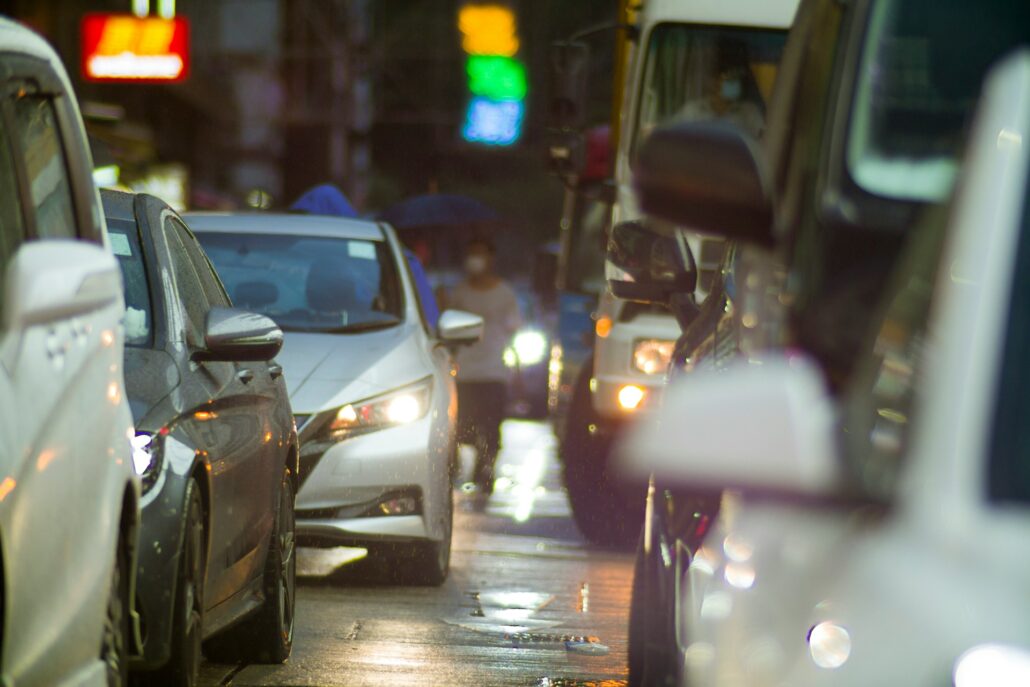
Understanding Traffic Accidents in Glasgow in Summer
When summer starts in Glasgow, so does a change in the pace of traffic. More people are out walking, cycling, and driving. Weekend events fill local streets. School holidays and longer days lead to more movement across the city. While this brings a livelier energy to the area, it also changes how roads are used.
Shifting patterns in travel, visitor traffic, and unpredictable weather can all increase the chances of something going wrong on the road. Traffic accidents in Glasgow tend to rise in summer, and that’s no surprise given how much more there is to think about behind the wheel. We’ve looked at the different road, weather, and behavioural factors that often lead to accidents during warm months and why being alert to them can make a real difference.
Increased Travel and Congestion During Summer
When schools close and festival season picks up, traffic builds quickly across Glasgow. Local drivers who usually travel quiet routes may find themselves stuck in longer lines or sharing lanes with drivers who don’t know where they’re going.
- Visitors often rely on navigation apps or road signs they’re unfamiliar with. This delay in reacting can lead to missed turns or late braking.
- Drivers who usually keep to quieter roads may get delayed by extra foot traffic near parks, museums, or stadiums.
- Frustration grows faster in queues, especially during hot weather. It’s not uncommon for people to take risks they’d normally avoid, like jumping lanes or speeding at traffic lights.
As roads get more crowded, there’s less room for error. City centres become harder to move through, even during off-peak times. All of this adds pressure and shortens the time drivers have to make safe choices.
Common Road Conditions That Raise Risks
Glasgow streets are already busy most of the year, but summer adds more complexity. Roadworks pick up pace during dry periods, and though necessary, they often cause unexpected turns or last-minute lane shifts.
- Rainfall during summer months doesn’t always cool the roads. When it hits a warm surface, it can create slippery patches that reduce tyre grip.
- Construction zones become more frequent in central areas, funneling drivers into narrowed spaces with unclear signs.
- Local roads often have multiple roundabouts or raised crossings that can feel unfamiliar, especially when sharing space with pedestrians and cyclists.
Each of these adds another task for drivers to manage. It only takes one missed sign or a wet manhole cover to start a chain reaction.
Human Factors Behind Seasonal Accidents
When it’s warm out, routines change. Windows are down. Music is louder. Conversations in the car can get more animated. These small things affect how focused a driver stays.
- Distractions rise quickly. This includes phones, passengers, or even trying to swat away an insect that’s flown in through an open window.
- Summer often means late nights or early travel, which can reduce sleep. Tiredness leads to slower response times or harder concentration during longer drives.
- There’s a noticeable rise in people walking or cycling when it’s bright and dry. Children may roam further from home, or tourists may not always follow the same traffic patterns locals expect.
When drivers don’t anticipate those changes, even a simple journey can become difficult. Visibility matters more when there are more people on foot, crossing mid-street or standing in blind spots.
Younger and Inexperienced Drivers on the Road
Summer break gives freedom to young drivers who’ve just passed their test. That’s something to celebrate, but it’s also something to watch out for.
- With more free time, students are on the road more often and for longer stretches. Some may be heading to weekend events, while others venture outside town.
- Young drivers may lack experience handling busy city traffic, especially if they come from smaller towns.
- Areas like Sauchiehall Street or the West End often combine parked cars, buses, cyclists, and pedestrians, requiring quick judgement and full attention.
These drivers are still learning how to manage speed, space, and timing, especially when unexpected things happen.
The Role of Timing and Location in Accident Evidence
The moment something happens, details matter. But it’s during summer that those details can change the fastest. A street that was sunny and dry at noon could be slippery by late afternoon. Construction cones moved by wind or foot traffic might not be in the same place later.
- Taking photos or writing down notes right after an accident can save a lot of confusion later.
- Shadows, traffic volume, and road conditions can change in only minutes. Waiting too long means losing those visual clues.
- Nearby shops or road signs that don’t seem important at the time may end up helping explain how a crash happened.
We’ve seen how setting and timing affect the strength of a claim. Stopping to look around after an incident, even briefly, can make a big difference.
Bonnar Accident Law supports clients in Glasgow who face summer accidents involving complex or changing road conditions, handling claims for car drivers, cyclists, and pedestrians. We work on a no win, no fee basis and collect evidence immediately so clients do not risk missing out on critical information that could affect their claim.
Safer Travel Starts With Awareness
Knowing how summer affects roads gives us a better chance of avoiding trouble. Traffic accidents in Glasgow don’t just happen because of bad luck. They’re often the result of change, too many people on the road, new conditions, or faster decisions made in the moment.
From early starts to last-minute turns, every small action matters more during summer. Drivers, cyclists, and walkers all share tight spaces, especially near venues and busy crossings. Being aware of those extra variables, even a few seconds sooner, can help stop a wrong move from turning into something more serious.
By noticing the patterns, busier junctions, more foot traffic, louder distractions, we can drive more thoughtfully and help slow the rise in accidents as the city gets busier.
Staying alert during summer traffic can help reduce unnecessary harm, but when things go wrong, timing and support matter. Whether you or someone close to you has experienced one of the many traffic accidents in Glasgow this season, taking the next step with care is important. At Bonnar Accident Law, we’re here to guide you through what to do after a collision or injury on the road. Don’t let important details fade, call us today for straightforward advice and support.