


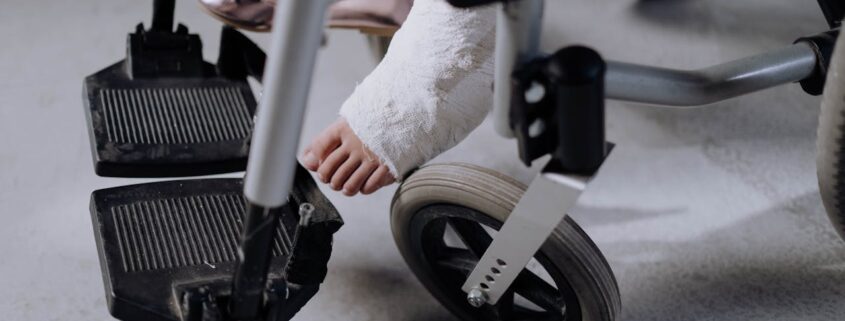
Personal Injury

What Personal Injury in Glasgow Usually Involves

When we talk about personal injury in Glasgow, we’re usually looking at accidents that lead to someone getting hurt because of someone else’s mistake. These injuries aren’t only tied to serious road accidents. Sometimes the damage is small but still affects everyday life. Spring brings longer days and better weather, so people naturally spend more time outside. Drivers take to the road more often, cyclists come out in higher numbers, and kids spend more time near streets. All of this raises the risk of something going wrong on the road.

We often hear questions about what really counts as a personal injury, especially after something small turns into a bigger problem over time. As spring moves in, we see more of these situations come up. It’s helpful to know what sorts of accidents might lead to a claim and how they usually happen.

What Counts as a Personal Injury

Personal injury often sounds like a big legal phrase, but here’s what it really means. If someone else’s careless behaviour caused you to get hurt, whether physically or emotionally, that might fall under personal injury.

Some examples we often see:

  • A driver runs through a red light and hits another car
  • A cyclist is knocked off balance by a van turning too close
  • A pedestrian slips crossing the road because a motorbike skidded past too quickly

Some injuries are easy to see. Cuts, bruises, broken bones. Others take longer to spot. Whiplash, leg pain, or even lasting anxiety caused by the shock of the event. Those things can be just as real, even if they develop slowly. What matters most is that the injury affected your life and it could have been avoided if someone else had made safer choices.

Common Causes of Springtime Accidents in Glasgow

As spring rolls into Glasgow, we start to see changes that may seem small but can have a big effect on how people move around. Traffic picks up again, not just cars, but walkers, cyclists, delivery vans, and buses. More daylight means people stay out longer, and that can lead to more risk on the roads.

Here are a few common triggers that we’ve noticed during Scottish spring:

  • Rainfall mixed with older roads can make surfaces slick without much warning
  • The sun sits low in the sky during rush hour, making it harder for some drivers to see clearly
  • More children walk or cycle to school instead of being dropped off, which increases the chance of road crossings
  • Road works ramp up after winter, and not all detour signs are well placed or easy to spot

It’s not always reckless behaviour. Sometimes it’s as simple as a missed signal, a blind spot, or worn out tyres. But when these small things cause harm, it’s still a personal injury.

Who Might Be Affected by Road-Related Injuries

We sometimes hear people say, “Well, I wasn’t driving, so I probably can’t claim.” But driving isn’t the only way people get caught up in road injury situations. In fact, being a driver is just one of many roles someone might be in when things go wrong.

  • Pedestrians crossing a quiet road can be hit by a speeding car
  • Passengers in a taxi or on a bus can get hurt in collisions they didn’t cause
  • Cyclists using a bike lane can be forced onto a kerb if a car turns wide
  • Motorcyclists are often overlooked in side-view mirrors, causing risky lane merges

We also see certain groups who face more danger depending on the situation. Older people might struggle to react quickly at crossings. Parents trying to juggle bags, kids, and timing may be distracted on foot. Anyone carrying an injury or living with a disability could have slower reflexes and might not be able to get out of the way in time. All of these factors matter when looking at who’s affected and why.

What People Often Don’t Realise About Injury Claims

One thing that surprises many people is how delayed some symptoms can be. You might feel shaken but fine after a car bump, only to wake up with sharp back pain days later. Or maybe you feel nervous every time you walk near the same road, even if you weren’t badly hurt at the time.

We always suggest keeping track of anything that feels out of the ordinary after an accident. Some helpful details include:

  • When and where the accident happened
  • Any soreness or unusual symptoms, even if they seem small
  • Doctor visits, advice given, or medication taken
  • Photos of visible injuries, the accident spot, or weather conditions

If someone puts off seeing a medical professional or doesn’t mention how they feel, that can make it much harder later to connect the injury to what happened. Starting a record early helps keep things clear, especially if problems grow over time.

What to Expect from the Process of Talking About It

When people first start thinking about an injury claim, they often don’t know what steps to take. For many, the first move is just checking if what happened even qualifies.

Here’s how things usually begin:

  • Reporting the accident, if required, usually to the police, your employer, or even a witness
  • Getting medical attention, even if the pain isn’t sharp at first
  • Writing down what you remember, including who was involved

Spring often brings some delays that people don’t expect. School holidays can mean longer GP wait times. Some services are slower because of road works or short-term closures. If someone doesn’t speak up early, thinking it’ll pass, time moves quickly and months later it’s harder to follow up. We’ve seen how easy it is for people to hold off because they feel unsure or think their case seems too small. But everyday injuries can interrupt work, sleep, or daily errands in a way that builds pressure over time.

Understanding the Everyday Impact of Injuries

Personal injury in Glasgow includes a wide mix of accidents and effects. While the most obvious ones involve cars, the everyday reality is that these injuries stretch further than most people guess. They don’t always come with flashing lights or big damage. Sometimes it’s a stiff neck that won’t go away after someone braked too hard, or it’s the anxiety of walking near speeding bikes at rush hour.

By understanding what these injuries can look like and how they often happen, it’s easier to catch small issues early before they grow. Spring brings more activity, fresh hazards, and risks that aren’t always obvious right away. If something feels off after an accident, it’s always worth paying attention. The earlier people ask questions or speak to someone, the easier it is to get the right answers.

Dealing with ongoing pain or stress after a road accident can affect your work, travel, and sleep, signalling the possibility of a personal injury in Glasgow. At Bonnar Accident Law, we know how important it is to act promptly rather than hoping things will improve on their own. If daily life has changed since your accident, we’re here to guide you through your options. Give us a call and let’s take the next step together.


Personal Injury

How to File a Personal Injury Claim in Glasgow

Filing a personal injury claim in Glasgow after a road accident can feel like a lot, especially if you’re still in pain or trying to get your head around what just happened. Many people aren’t sure where to begin or how long they have to act. The good news is that the process can be broken down into parts that are easier to manage, even when things are a bit chaotic at first.

Starting a claim early doesn’t mean rushing. It means knowing what steps clear the way ahead. If you’re handling your own recovery or helping someone close to you, understanding a personal injury claim in Glasgow can make the rest of the road feel more manageable.

Start With the Immediate Essentials After an Accident

The first moments after an accident can feel confusing. Still, what happens in that window can really help shape how the claim goes later. Staying calm helps, but having a short mental checklist helps even more.

  • Report the accident. If the police aren’t already there, it’s wise to call them or fill out a report as soon as possible.
  • Make a note of where it took place and what the road was like. Was it wet, full of potholes or dimly lit?
  • Take photos if you can. That includes any damage to a car or bike, worn pavements or wet roadways, and visible injuries.
  • If anyone saw what happened, ask for their name and contact details before they walk off.

Even if you think, “I’ll be fine,” it’s still good to see a doctor right away. Some injuries, especially to the neck, back or legs, get worse over the next few days. Medical staff will check for anything that needs early care and keep a record of your condition from the start.

Know What Evidence You’ll Need for the Claim

Personal injury claims rely on proof, and the strongest proof comes from consistent records. Medical evidence is the foundation, but it’s not the only kind of support that helps tell your side of the story.

  • Keep every doctor’s note, scan result, X-ray and prescription.
  • Lost a shift at work or had to call in sick? Make a note of that too.
  • Write down how you’re feeling, either in a notebook or your phone. Call it a pain diary if it helps.

What you say in your own words can fill in the blanks between appointments. If walking stairs suddenly hurts or you can’t drive like you used to, daily notes can turn those changes into something easier to explain later.

The Legal Process: What Happens When You File the Claim

Once you decide to start a personal injury claim in Glasgow, the steps are fairly steady but can take time. It starts with passing along your accident details and your medical records. From there, claim paperwork is drawn up and shared with the other party.

Accidents don’t all work the same way. That’s why a road accident involving a cyclist won’t be treated exactly the same as a slip on uneven pavement or an injury at work. Each one follows the same basic structure, but the way the damage is looked at can vary a lot. Injuries that need surgery or long recovery usually take longer to sort out, while some might be settled faster.

Patience is part of the process here. Sometimes there are delays that feel frustrating, but keeping your updates clear and tracking your recovery will help move things along.

Bonnar Accident Law provides a no win, no fee service, so you can pursue your claim without the stress of upfront legal costs. Our solicitors have years of experience dealing with road accident cases in Glasgow, handling everything from minor injuries to more complex and long-term cases.

Spring Road Risks in Glasgow: Timing Matters

April doesn’t always feel like spring in Glasgow. Many roads are still damp from rain, and leftover grit or potholes can make things uneven or slippery. When the light changes and more people get back to cycling or walking, accidents often happen in spots that didn’t feel risky during the winter.

Loose road surfaces mixed with foot traffic or quick turns can mean slower crashes, but slower doesn’t equal safer. Even a soft fall can lead to a leg injury or a torn muscle, and sometimes those don’t show up right away. If your accident happened in early spring, April can be a smart time to start looking at your next steps. It’s easier to remember details and keep records when the event is still fresh in your mind.

What to Expect During Recovery and Claim Progress

Injury recovery often takes longer than anyone wants it to. That waiting can affect how fast a personal injury claim moves too. Some claims stay open until there’s a better idea of long-term impact. Part of that delay is practical. It gives everyone time to gather more medical information and see if the injury is healing as it should.

During this time, it helps to stay in steady contact with whoever is assisting with your claim. You might share any new appointments, scans, or therapy plans. Being open about how you’re feeling, good or bad, means your case stays honest and strong.

  • Check in about updated reports or deadlines if you’re unsure what’s happening behind the scenes.
  • Don’t be afraid to say when something changes, whether that’s a new pain or a return to work.
  • Keeping things easy to follow makes your claim easier to handle as everything moves forward.

Taking Control of the Process for a Better Outcome

Getting injured on the road is hard enough. Dealing with the paperwork, the stress, and the mix of doctor’s visits and emails can feel like too much some days. But filing a claim doesn’t need to be a confusing tangle. What matters is taking those first steps early, then staying steady from there.

By focusing on what happened, getting the right care, and keeping notes along the way, you’re already giving your claim a better chance. You don’t have to rush or have all the answers from day one. But you do deserve a clear process that respects what you’ve been through and supports the way forward.

Dealing with the aftermath of a road accident in Glasgow can feel overwhelming, especially when you’re trying to recover and manage complex paperwork. With timing, strong evidence, and clear guidance on each step, your claim stands the best chance of success. At Bonnar Accident Law, we support you by handling the hard parts, allowing you to focus on getting better. Start your journey today by discussing your personal injury claim in Glasgow with our experienced team.

Leg Injury

Step-by-Step: How to Make a Leg Injury Claim

Getting hurt in a road accident can turn your day upside down, especially when it affects your leg. Everyday tasks like walking, driving, or even sleeping can become harder. If you have been through something like this in or around Glasgow, it’s helpful to know what steps go into making a leg injury claim. Acting early and keeping track of everything can make a real difference.

Spring in Scotland often means a shift in road conditions. April is still damp, with plenty of rainfall and leftover debris from winter. That can lead to potholes, skids, and slower response times. When someone is injured in this kind of setting, knowing the process can help avoid delays. We will walk through the key steps, from what to do straight after the accident to how the legal process usually works.

Understand the Early Steps After a Road Accident

What you do right after an accident matters. Whether walking, cycling, or driving, it is important to report what happened. Even if it feels minor, do not assume you will feel better in a few hours. The first few moments can impact how everything plays out later.

  • Always report the accident to the police or relevant authority. A record of the event supports what happened.
  • If possible, gather details from others involved and note the time, place, and road conditions.
  • Take clear photos if you can. Images of your bike, the road surface, or visible injuries help show how it happened.
  • Find out if anyone nearby saw what took place. A short witness statement can go a long way in filling gaps.

Most importantly, even if you are only feeling sore or shaken, see a GP or go to A&E. Some injuries do not show up right away and can get worse if ignored. Bruised or twisted legs might not seem serious at first, but they should still be looked at professionally.

Get Medical Evidence to Support the Claim

Your medical records are what link the injury to the accident. Without this connection, it becomes much harder to explain the cause or push forward with a claim. The sooner you are seen, the clearer the link will be.

Some leg injuries, like sprains or ligament damage, can take hours or days to show fully. Swelling might build slowly and mask a more serious problem. That is why returning for follow-up care is just as important as the first visit. It shows how the injury developed and what care you have needed.

  • Keep a copy of all visits, prescriptions, or referrals.
  • Do not skip scans or therapy sessions. These add detail to your recovery timeline.
  • Ask your doctor how long recovery might take and what day-to-day effects to expect.

Putting together full records right from the start often helps explain how an injury has shaped your life, not just your leg.

Build a Clear Timeline and Keep Personal Notes

Sometimes the medical side and the personal experience do not match. That is why it helps to write things down in your own words. It does not have to be formal. Even a short note each day can show how things have changed since the accident.

  • Track how often you feel pain or swelling
  • Record what types of movement are difficult, like walking up stairs or standing at work
  • Save notes on missed shifts, cancelled plans, or added travel for appointments

Even a text to a friend saying, “My leg is aching again” or “Just got home from physio” helps support your case. These small details show the real effect of the injury and help fill gaps between the doctor’s visits and what life is really like when healing.

Understand How the Legal Process Works for Injury Claims

Once you have decided to start a leg injury claim, the process can feel long. That is normal. Every claim moves at its own pace, depending on the injury and how clear the evidence is.

It often starts with sharing details of what happened, handing over your medical reports, and giving a clear outline of how life has changed. After that, the work begins, gathering reports, reviewing your records, and sometimes waiting for expert opinions.

  • Most claims take time, especially when the injury takes weeks or months to heal
  • Some may include an early offer, but others wait until full recovery is better understood
  • Injuries that involve breaks, surgery, or long-term change might be looked at differently than soft tissue damage

What helps most is having patience. A claim does not always move quickly, but steady steps make it stronger.

Bonnar Accident Law offers a no win, no fee service for all road traffic accident claims, letting you pursue a leg injury claim without the risk of upfront legal fees. Our solicitors are experienced in claims involving fractures, knee injuries, or lasting mobility changes. We handle negotiations directly with insurers, allowing you to focus on recovery while we manage the legal work.

What Spring Road Conditions Mean for Accidents

April weather in Glasgow can be misleading. One day might feel mild, the next wet and cold again. Roads are often still damp, with leftover grit, mud, or rain causing bikes to slip and cars to slide. Spring also brings more cyclists and pedestrians outside, which changes traffic flow.

Anywhere there is a mix of poor visibility, potholes, or wet tarmac, accidents can happen, even at low speed.

  • A slow-moving fall from a bike or trip stepping off a kerb can still cause a real leg injury
  • Roadworks and gravel patches often mean uneven surfaces feel more dangerous
  • Do not brush off mild pain after a bump, it might be masking a larger problem that needs care

Fast or slow, heavy or light, accidents can affect muscles, bones, and movement. Waiting to see how it feels tomorrow often just delays the help you could get today.

Moving Forward After a Road Accident Injury

Getting support for a leg injury after a road accident is not just about one step, it is a chain of small actions. Early reporting helps. So does getting checked, taking notes, and being ready to talk through how it has affected you. While the process takes time, knowing each step makes it feel more manageable.

We understand that dealing with an injury can be tiring, both physically and mentally. But the right information, recorded clearly and shared with care, helps support your leg injury claim. The first focus should always be health. From there, each choice builds something stronger.

Anyone recovering from a road traffic injury in or around Glasgow knows how challenging it can be when healing is mixed with paperwork, particularly if mobility is limited. Starting a leg injury claim may feel overwhelming, whether your accident involved a car, bike, or even uneven road surfaces. At Bonnar Accident Law, we understand your situation and are here to guide you through every step. Reach out to us today and let our experienced team help make the process clearer and easier.

Injury Claims

What Counts in Internal Injury Claims for Workers

When someone is hurt at work, the first instinct is usually to look for visible signs of injury. But internal injuries can be harder to spot in the moment. A bruise, cut or sprain is easy to notice. A damaged organ or internal bleeding isn’t. That’s why internal injury claims can be more complex and take longer to process. They often rely on things that aren’t seen at first glance and need careful documentation from the start.

Even in a busy workplace, it’s easy for someone to brush it off when they don’t feel immediate pain. But acting early can make a big difference. We are looking at what makes a strong internal injury claim and what workers across places like Glasgow need to keep in mind after an on-the-job accident.

Recognising Internal Injuries After a Workplace Accident

Not all injuries show up right away, which can lead to delay in action. Internal injuries, like small tears or bleeding within the body, can develop quietly and worsen over time. That’s why some workers don’t realise they’re hurt until hours or even days later.

Common causes of internal injuries at work include:

  • Falling from height, especially onto a hard surface
  • Getting struck by a moving object or heavy tool
  • Sudden stops in site vehicles or forklifts
  • Crush injuries from loaded shelves or pallets

After a serious knock or accident, even if someone feels “okay,” it’s safer to seek medical advice. A scan or check-up can spot things before they get worse. Waiting too long can later raise doubts about when and how the injury happened.

What Makes a Strong Internal Injury Claim

Getting an internal injury claim off the ground requires more than mentioning an accident happened. It’s about building the full picture. Documenting the situation from the start helps bring clarity if questions come later.

Key elements that support these claims include:

  • Medical records that clearly show the injury and when it was diagnosed
  • Notes about when pain or symptoms started
  • Witness statements or photos from the incident scene
  • A diary of how the injury affects daily life

It helps to write things down. That includes what happened immediately after the accident, who was told, and how symptoms changed over time. Even days after, those notes can explain things clearly. Claim strength rises when we can show the impact not just on health but on things like working, walking, or sleeping.

We offer a no win, no fee service to help those injured at work in Scotland, so you never have to worry about upfront fees when deciding whether to pursue internal injury claims. We cover all types of work settings, from offices to warehouses, and work closely with medical professionals to support accurate diagnoses for each claim.

Different Work Settings Where Internal Injuries Happen

Some jobs carry a bigger risk of internal harm, often from the way the work is done or the tools that are used. These injuries often happen in settings where things move fast, loads are heavy, or space is tight.

Higher-risk environments include:

  • Warehouse loading areas with forklifts and pallet movers
  • Construction sites with falling materials or uneven ground
  • Outdoor utility work with vehicles and hard-to-spot hazards

Late winter and early spring in Scotland bring wet weather into the mix. In Glasgow and nearby areas, the shift from snow to rain can leave patches of ice or mud that are easy to slip on. A fall may not break a bone but could still cause internal bruising or strain. That’s often overlooked in the moment. When workers fall hard or get hit on wet, slippery sites, it’s even more reason to check for deeper injuries.

Time Limits and Delayed Symptoms

One of the harder parts with internal injury claims is timing. The pain or signs of injury don’t always appear right after the accident. That delay can cause confusion or raise doubts. But just because something takes time to show up doesn’t mean a claim can’t be made.

It’s common for people not to notice damage right away, especially if the injury is deep tissue or affects areas like the ribs, abdomen, or chest. Pain might only become obvious when breathing gets harder or swelling is noticed.

There’s still a window of time to bring forward a claim even if days have passed. What matters is getting checked early, keeping a record of symptoms, and not waiting too long to act. Legal time limits do apply, and while they vary, acting while the details are still fresh makes everything smoother.

We have extensive experience with claims where symptoms develop after the initial workplace incident, and we can advise you on how Scottish legal deadlines may affect your case and next steps.

When Extra Help Makes a Difference

Internal injuries aren’t always straightforward. They take time to confirm and even longer to prove. Every part of the claim might call for extra attention, from decoding test results to showing how an accident led to changes in someone’s health or routine.

That’s where getting help early really matters. Having someone who understands the medical side as well as the workplace part can make the process less confusing. We’ve seen how quickly these claims can grow more complex, especially if the first signs of injury were missed.

It’s not on workers to figure it all out alone. That pressure only adds to an already stressful time. Building a clear case starts with asking the right questions and knowing what to look out for.

Keep Health First, Then Think About the Next Steps

The most important thing after any work accident is health. Whether symptoms are sharp or slow-building, the body needs care before paperwork. Once the immediate needs are handled, that’s when it helps to pause and think about what happened and what might come next.

Internal injury claims start with small details, how someone felt, when they noticed pain, what they remember about the moment it happened. Time, weather, tasks on-site, and response from others can all play a part. Even if something looks invisible from the outside, it can still be worth taking action.

Questions are okay. So is not having all the answers straight away. What matters is paying attention to what the body is telling you and speaking up when something doesn’t add up. For workers in Glasgow and beyond, spring may bring mild weather, but the risks from slippery sites or moving equipment are still real. And the sooner those injuries are seen and understood, the better the long-term outcome can be.

Struggling with pain or discomfort after a workplace accident in Glasgow could point to underlying issues that may not be immediately obvious. Building a strong case for internal injury claims starts with accurate records and the right support. At Bonnar Accident Law, we understand how overwhelming it can be when symptoms aren’t always clear from the start. Let us listen to your situation, ask the right questions, and guide you on your next steps. Reach out to discuss your experience and learn how we can help.

Injury Lawyers

Why Injury Lawyers in Scotland Get Involved Early

When someone is injured in a road accident, the days that follow can be confusing, emotional, and rushed. In Scotland, where traffic builds quickly and weather turns without much warning, delays in getting help after an accident can make things harder. That’s often when injury lawyers step in, not at the end, but near the beginning, when records and firsthand memories are still fresh.

Early support matters more than most people expect. Whether it’s getting hold of dashcam footage, checking in with doctors, or helping families talk to insurers, acting soon can set everything on a steadier path. We’ve seen how quick guidance and clear advice make a real difference. That’s why injury lawyers in Scotland often take on cases before all the paperwork is even complete. The sooner we’re involved, the better we can protect what’s most important for the people we help.

Acting Fast at the Scene and Beyond

After an accident, every hour shapes what’s remembered, what’s recorded, and what may be lost. When we’re brought in early, we focus first on gathering everything that’s still within reach.

  • Police reports are a key part, but we also look for unrecorded observations from people nearby
  • We work with those involved to fill in missing timelines before memories begin to blur
  • Dashcam footage or CCTV clips often get erased quickly, so we identify possible sources right away

In many cases, family members or injured drivers don’t know what will be important later. That’s why early guidance matters. Sorting out road layout, traffic flow, and the condition of a vehicle moments after impact can be the difference between a weak chain of events and a clear picture of what happened.

Dealing with Medical Evidence and Treatment Records

Medical care starts as soon as emergency crews arrive, but turning that into evidence for an injury claim takes careful coordination. Early conversations with hospital staff or GPs help us understand the full impact of an accident, not just where someone was hurt, but how long recovery might take.

  • We help keep injury timelines clear by tracking reports from each clinic or hospital visit
  • If a person needs long-term care or physical therapy, we start keeping those records straight away
  • When people are shaken and overwhelmed, we make sure no documents go missing during the busy weeks that follow

In the early stages, some families focus only on physical recovery, not legal steps. That’s natural. But acting early with injury claims means those medical records are more complete and easier to explain later. We take the pressure off by helping people work through it, bit by bit.

Communicating with Insurers Without Delay

Talking to insurance companies shortly after a crash often feels like the next obvious move, but it carries risks. That’s why legal help on day one can prevent problems later on.

  • Insurers ask questions quickly, and injured people may say things they don’t mean under stress
  • Once a statement is made, it’s hard to take back, even if new evidence shows something different
  • Talking with a lawyer first helps shape what’s shared and when, so everything stays consistent

We’ve seen insurers offer low settlements before a full report is complete. With early support, people feel less pressure and can wait until the full picture is clear before making any decisions.

Injury lawyers in Scotland stay with these kinds of claims from start to finish, helping families respond to changing demands from other parties. The job doesn’t end with one phone call. It often includes calls, emails, and back-and-forth updates that stretch over months. Being there early helps us shape the entire story from the beginning.

Bonnar Accident Law offers a ‘no win, no fee’ service for road traffic claims, which means clients can begin the process without upfront costs or financial risk. As a result, clients get immediate legal support right from the outset, focusing on evidence gathering and early advice that can shape the final outcome.

Supporting Families Through Confusing Legal Steps

Legal terms and timeframes rarely feel obvious to someone going through real pain. When someone dies or faces long-term injuries, there’s a deep emotional layer to add on top of the paperwork. We walk families through the early steps without overwhelming them.

  • We use plain language to break down what’s needed and how certain claims might play out
  • By starting early, we’re able to file time-sensitive documents on schedule, avoiding unnecessary delays
  • We focus on small steps, helping people concentrate on what needs to be done each week, not all at once

It’s common for people to feel unsure about what’s happening behind the scenes, especially in more serious cases. That’s why starting sooner helps, so everything gets built thoughtfully while emotions are still raw and time is limited.

Long-Term Difference of Getting Legal Help Early

A fast start doesn’t just help right after an accident; it also changes the recovery that comes later. Claims that begin quickly tend to stay better organised and easier to follow through each step.

  • Records are fresher, conversations are clearer, and less information gets lost or misremembered
  • We’re able to spot gaps or problems earlier before they affect the timeline or the story being told
  • Families don’t have to rush later because the harder work was already done when things were still recent

More than anything, having support early brings calm to a process that usually feels scattered. Rather than reacting to problems when they arrive, we build a path in advance and stick to it.

Why Timing Matters More Than You Think

Quick help after a road accident doesn’t just mean faster claims, it also means stronger ones. When we get involved soon, evidence is clearer, questions are answered more honestly, and the overall process tends to run smoother.

People think they have time to sort everything later, but that delay sometimes closes doors they didn’t know were open. By showing up early, we protect the facts, protect the people involved, and set a stronger base for whatever comes next.

In a place like Glasgow where weather changes fast and roads get tricky in late March, timing can be the difference between proving fault or facing a long, frustrating wait. Acting right away means you don’t lose what matters most.

At Bonnar Accident Law, we know that early advice and organised support matter after a road accident in Glasgow. Our team helps you understand your options, gather the strongest evidence, and guides you through every stage of your claim. To see how our expertise can make a difference, review our page on injury lawyers in Scotland and contact us when you’re ready to talk things through.