

Personal Injury Solicitor

5 Common Mistakes to Avoid When Choosing a Personal Injury Solicitor in Scotland

Choosing a personal injury solicitor in Scotland can be a tricky task, especially if you’re doing it for the first time. These cases can have a big impact on your life, so you need to find a solicitor who suits your needs. Many people rush into decisions without looking at all the details, which can lead to problems down the road. It’s vital to understand that though solicitors are there to help, not all are the same. Knowing what to look for can prevent headaches and ensure you’re in good hands from the start.

There are common traps that people fall into when selecting a solicitor. From overlooking experience to ignoring fee structures, these are mistakes you want to avoid. Being well-informed can mean the difference between winning and facing disappointment. Here we explore some familiar pitfalls and offer insights into how to make better choices.

Not Checking Solicitor’s Qualifications and Experience

When you’re choosing a solicitor, the first step is to ensure they are qualified. Not doing so can result in wasted time and effort. You wouldn’t want someone representing you who lacks the necessary credentials. Checking a solicitor’s qualifications might seem obvious, but it’s also easy to skip in a hurry.

To start, make sure your solicitor is registered with the appropriate legal bodies in Scotland. This can be done through online searches or by asking directly. Registration and certification suggest that the solicitor has met specific standards needed to practise law. Don’t hesitate to ask your solicitor about their experience dealing with personal injury cases. You want someone who has handled similar cases and can show a track record of success.

Think of it like choosing a doctor for surgery; you need someone with the right skill set and experience. When faced with complex legal issues, an experienced solicitor can guide you through the legal maze smoothly. So, always verify both qualifications and experience before moving forward. Here is a simple checklist you might consider:

– Confirm they’re registered with the Law Society of Scotland

– Ask about their experience with personal injury claims

– Check if they have specific certifications or special training related to personal injury law

Overlooking Solicitor’s Specialisation

Selecting a solicitor who doesn’t specialise in personal injury law might limit your chances of a positive outcome. Specialisation is key, as it indicates a deeper understanding and relevant experience in specific legal areas. A general solicitor may not possess the detailed insights needed for personal injury cases.

For instance, some solicitors might focus on areas like family law or corporate matters. While they may have a general understanding, their expertise might not align with the nuances of personal injury cases. A solicitor specialising in personal injury will have developed tactics and techniques over time that can significantly benefit your case.

Consider the type of personal injury matter you’re dealing with. Is it a workplace injury, a traffic accident, or a case of industrial disease? Each area might require different expertise. A specialist will be familiar with the rules and regulations specific to that type of case and can provide more tailored advice.

Exploring a solicitor’s past work in your specific area of need can give you confidence in their abilities. Don’t shy away from asking about their past cases and outcomes related to your situation. A specialist will often have more practical experience, which can prove invaluable in leading your case towards success.

Ignoring Client Reviews and Testimonials

One of the simplest ways to learn about a solicitor is through the people who’ve used their services. Client reviews and testimonials often reflect how a solicitor treats their clients, how responsive they are, and how they manage cases. Skipping this step can leave you in the dark about what to expect.

To get started, look for online feedback. This could be on legal directories, forums, or review websites. Don’t just glance at the star ratings. Read the comments closely to see the kind of experience past clients describe. Is the solicitor described as easy to deal with? Did they explain things clearly? Were there issues with communication or hidden costs?

You may not need pages of praise, but even a single red flag repeated by several people is worth paying attention to. If someone says they were left confused or ignored, that could be a signal you need to keep looking.

Here is how to make sense of the reviews you find:

– Check for mentions of personal injury experience

– Look for patterns in both praise and complaints

– Pay attention to how recent the reviews are

– Be wary of too many overly perfect reviews with little detail

– Use forums or groups to ask others in Scotland about their experiences

Word of mouth also matters. If someone in your community has dealt with a personal injury solicitor, ask for their honest opinion. Real-life examples can be just as useful as online comments.

Not Understanding Fee Structures

Before agreeing to work with anyone, you should clearly understand how you’re being charged. Legal fees can be confusing. Some solicitors talk about No Win No Fee or conditional arrangements but don’t always explain the terms fully. This can lead to misunderstandings later on if extra costs appear.

Ask direct questions. Don’t assume anything. Make sure you find out what No Win No Fee actually covers. Are there any fees for paperwork, experts, or court filing? Will you owe anything if the case doesn’t go your way? Ask for it in writing so you can compare between different solicitors.

Understanding fee structures isn’t just about cost—it’s about knowing where you stand. A solicitor should be able to explain their pricing in plain language. If it feels vague or complicated, that could be a warning sign.

Looking at fee structure? Keep this in mind:

– Ask for a full explanation of No Win No Fee

– Confirm if there are any upfront costs

– Clarify who pays expenses if the case isn’t successful

– Find out what’s covered in the final settlement

– Don’t agree to anything until it’s set out clearly

Being upfront about money at the start helps avoid surprises. Transparency matters when trust is needed.

Failing to Assess Communication Skills

Good communication should never be underestimated. You’ll be sharing personal information and depending on your solicitor for updates about your case. If they’re hard to reach at the start, it likely won’t get better later on. How a solicitor communicates says a lot about how they work overall.

The first chat or consultation is a great time to assess this. Are they listening carefully? Do they make you feel rushed? Do they explain everything in a way you can understand? Communication isn’t about legal terms and long emails—it’s about how they make you feel during the process.

An example: someone might choose a solicitor based solely on recommendation, only to find they can barely get hold of them once the case begins. That frustration can add unnecessary stress. It is better to pick someone who’s reachable, even if it takes a bit more time choosing.

Here are a few ways to assess communication from day one:

– Pay attention to their tone—do they sound patient and respectful?

– Notice how long they take to return messages or calls

– Check if they explain the process clearly and simply

– Watch how they react to your questions—do they get defensive or helpful?

Trust builds through clear, human conversation. If that’s missing, things can go downhill quickly.

Wrapping Up Your Solicitor Search

Finding the right personal injury solicitor in Scotland takes time, but avoiding the usual mistakes can save you from future stress. Choosing someone without checking their skills, specialisation, or reviews could lead to trouble when you’re already dealing with enough.

Make sure you take each step carefully, especially when it comes to qualifications, fees, and communication. The solicitor you choose should feel like someone who understands your situation and respects your time. Being thorough from the start will help things go more smoothly in the long run.

Your choice can shape how your case plays out. With some clear thinking and smart questions, you’ll be in a better place to decide who’s right to represent you. Taking your time at this stage can make all the difference.

If you’re ready to move forward with your case and want legal advice you can trust, take the time to explore your options with experienced and approachable personal injury solicitors in Scotland. The team at Bonnar Accident Law is here to listen, support, and help you understand the next steps.

Staying Safe on UK Roads: Essential Tips for the Summer

Road safety is a commitment we all share, whether we are drivers, cyclists, or pedestrians navigating the diverse roads of the UK, from the winding Highland routes in Scotland to the bustling urban streets of London. At Bonnar Accident Law, we believe that prevention is better than a cure. While we’re always here to help you claim the road traffic accident compensation you deserve should the unforeseen happen, our top priority remains your safety and well-being on the roads. That’s why we’ve put together this essential summer safety guide packed with practical tips to keep you and your loved ones safe while travelling throughout the UK.

Be Prepared for the Unexpected: Carrying Emergency Items

No matter how short or routine your journey may seem, the unpredictable weather and varied road conditions in the UK make it vital to prepare for emergencies. You should always be prepared for sudden changes in the weather and environment. It’s advisable to always have a few things at hand, whether you are a car driver or a motorcyclist.

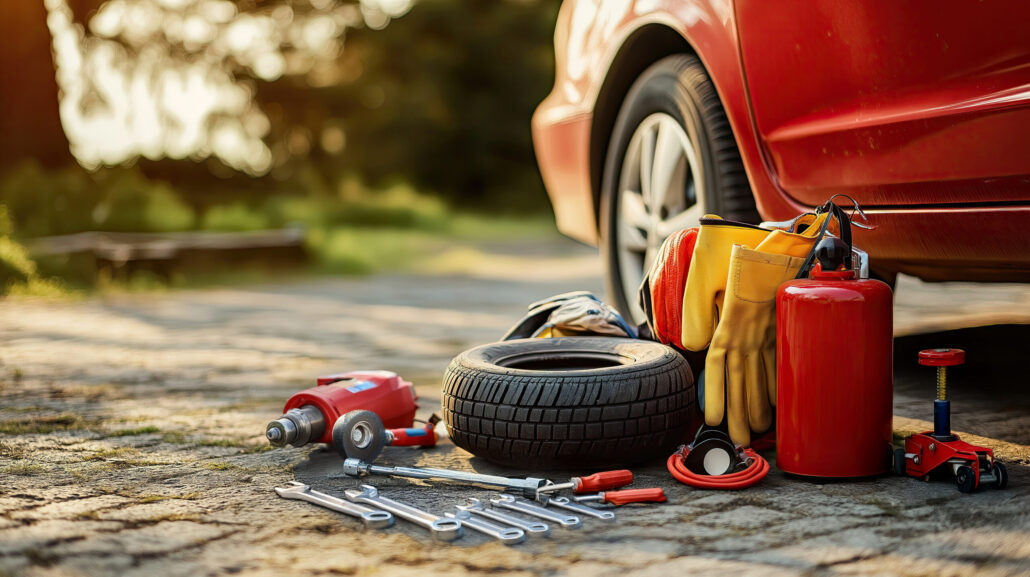
As a car driver, you should have the following items in your car. Please note that some of these come with an expiration date, so always set a reminder to check the validity of the item you are carrying. If it is nearing the end of its usability, replace it with a new one.

For Car Drivers, Essential Emergency Items Include:

  • First-Aid Kit
    If you are on medication, please include a few spare medicines in your vehicle. For example, an extra inhaler, an EpiPen, etc. A conventional first-aid kit should also have antiseptics, plasters, and bandages for quick administration if an accident occurs.
  • Reflective Warning Kit
    These can be reflective warning triangles, a sign, traffic cones, or whatever else your local authorities deem usable. The key is to ensure that you have a warning kit that either lights up with LED or is reflective enough to alert the approaching traffic of a breakdown or an accident.
  • High-Visibility Vest
    This is an important piece of clothing that will help you be seen from a very far distance once you step onto the road during a busy time or at night. It will also signal the relevant authorities that you have either had a vehicular breakdown or have been in an accident.
  • Spare Tyres and Jack
    Punctures are the most common nuisance you may face on the road, be it a short trip to the nearby town or a long journey on the motorway. Always have a spare tyre and the necessary jack and tools to change your tyre. As a rule of thumb, once you have changed the tyre, you should always get the puncture fixed at the earliest and at the immediately next workstation you find. Never postpone it to a later time, especially as punctures are more common during the summertime due to the road heat.
  • Torch with Extra Batteries
    Torches are always helpful in low-light conditions or at night. Keep it handy, and remember to change the batteries on time. Better yet, buy yourself a rechargeable torch that can be plugged into your vehicle directly.

Other Recommended Items Include:
Here are a few other things you should have with you while you’re on the road:

  • Mobile Phone Charger or Power Bank
    Always keep a phone charger in your vehicle or on you so you can readily reach out to the emergency services if and when there is a need. Power banks are good enough as well, but before a long journey, charge them fully at home so they can be used to power your mobile phone or an LED or any other emergency item that needs electricity.
  • Blankets and Bottled Water
    Keep a warm blanket in the winter and always have freshly-stocked bottled water before you start your journey. Keeping yourself hydrated during an emergency is vital for your brain to make good, informed decisions.
  • Long-Life Snacks
    If you are diabetic or have a medical condition that requires you to snack after a while, you should always keep a cereal bar, a granola bar, or nuts handy. These have a long shelf life and can help you get the quick energy boost you need.
  • Maps or Printed Directions
    Poor GPS or cellular service can leave you stranded on roads and highways you are unfamiliar with. If you’re travelling in the country, the mobile phone service may not be reliable at every corner. So, keep a map handy or have printed directions with you to make sense of where you are and where you should be headed. Ideally, mark your journey on the map before you hit the road.
  • Jump Leads or Battery Boosters
    Battery drains are common during the summer since the AC use is quite heavy. Keep jump leads or battery starters so you don’t get stranded without a car that can’t even start.

For Cyclists and Motorcyclists, The Recommended Items Include:

As a cyclist or a motorcyclist, you should have the following emergency items on you when you go out on the road during the summertime:

  • Compact First-Aid Kit
    You should have a compact first-aid kit attached to your bike, e-bike, or motorcycle. It should have the necessary items to mediate cuts or grazes in case of a fall or a slip.
  • Puncture Repair Kit and Pump
    Ensure you have a repair kit that quickly patches a puncture to get you to the next workstation where you can get it fixed.
  • High-Visibility Clothing and Lights
    You should always stay visible and check that all of your bike’s, e-bike’s, or motorcycle’s lights are working. These should include the headlights, brake lights, turn signals, and hazard lights.
  • Portable Multi-Tools Kit
    Have a handy screwdriver kit or a multi-tool kit that can help you tighten bolts and make quick fixes while you are on the go.
  • Energy Snacks and Hydration Packs
    In the hot weather, as a cyclist, you should have energy bars to keep up your stamina, and a hydration pack that hydrates your electrolytes to keep you going. As a motorcyclist, wearing helmets and safety gear can get you extra warm, so hydrate yourself as soon as you feel you are getting a bit too hot.

Maintaining Your Vehicle: Year-Round Vigilance

Regular vehicle maintenance is not just about extending the life of your car or bike; it’s a lifesaving habit.

What Car or Vehicle Owners Should Check

As an owner of a car, jeep, truck, or any other vehicle that has four or more tyres, you should do the following checklist to ensure your vehicle is safe on the road:

  • Tyres
    Ensure correct pressure and tread depth; underinflated tyres can blow out in the heat.
  • Brakes
    Worn brake pads drastically increase stopping distances, which can easily cause accidents.
  • Engine Coolant and Oil Levels
    Fill the coolant and oil to the safety level to avoid overheating and damaging your vehicle.
  • Windscreen Wipers and Fluid
    These are essential during sudden summer showers.
  • Battery Health
    The summer heat can shorten battery life. So, ensure it’s charged and corrosion-free.

What Cyclists Should Ensure

As a cyclist, during the summer in the UK, you should ensure the following when on the road:

  • Brakes
    Test regularly for responsiveness and pad wear.
  • Tyre Pressure
    Even on bicycles, an under-inflated tyre can reduce performance and safety.
  • Chains and Gears
    Keep them properly lubricated and clean for smooth operation.
  • Suspension (if applicable)
    Regularly check for leaks or stiffness.
  • Lights and Reflectors
    Ensure visibility, even during long daylight hours.

Communicating Clearly: Understanding and Using Signals

Clear communication on the roads can prevent collisions and confusion.

Here’s how to communicate safely:

  • Signal Well in Advance
    Whether you’re turning, overtaking, or changing lanes, indicate well ahead of time. This will alert every other road user to your intention, and they can set their course accordingly.
  • Check Signal Functionality
    Faulty indicators or brake lights are dangerous and often illegal. Get them fixed immediately. If you are unable to warn other road users of your intention, it may lead to an unwanted accident, and one where you will be at fault.
  • Use Hand Signals on a Bike
    Don’t hesitate to use hand signals when you’re on a bicycle or an e-bike. This is especially necessary if your bike lights are dim or not in use. Learn the proper hand signals in your region so you use them right.
  • Don’t Assume Others Know Your Intentions
    It is better to be safe than sorry. Over-communicate your intention if you think it wasn’t rightly perceived by other road users.
  • Avoid Ambiguous Movements
    Commit to your decision once you have signalled clearly. And if there is a sudden unexpected bump, animal, or pothole that you want to avoid, always warn the other road users of it as well. Don’t just swerve around it and expect that those behind you will telepathically understand your intention. Turn on your hazards and brake slowly, and then navigate it safely.

Listen and Observe: Staying Alert to Changes

Often, your vehicle will ‘speak’ to you before a serious issue arises.

Stay alert for:

  • Grinding or Squealing Noises
    This may indicate worn brakes or suspension issues.
  • Unusual Vibrations
    This can be due to misaligned tyres or wheel bearings.
  • Burning Smells
    This can be a sign of overheating, clutch issues, or electrical problems.
  • Pulling to One Side
    This could indicate uneven tyre wear or brake imbalance.
  • Warning Lights on the Dashboard
    Never ignore them; have them checked immediately. Go through your vehicle’s manual and see what the lit-up symbol indicates. Get it fixed immediately, especially if it is the brake oil, engine oil, or battery indicator.

Focus on the Road: Avoiding Distractions is Crucial

Distractions are one of the leading causes of accidents in the UK.

To stay focused:

  • Never Use a Handheld Mobile Phone
    It is also illegal and highly dangerous.
  • Use a Dashboard Mount
    If you rely on your GPS or mobile phone for navigating the roads and streets, use a dashboard mount. If you have to change the settings, stop nearby on the side of the road and then do it distraction-free without putting yourself in harm’s way.
  • Keep Children and Pets Secure
    Always use the baby/toddler car seats and travel crates for your pets. Some people tend to leave their pets roaming free within the vehicle. Even though this act may seem fun for your pet and you may laugh too, but is highly unsafe. Keep your pets in crates or tether them to a safety harness so they have limited mobility. Especially ensure that they don’t roam in critical spaces such as under the driver’s legs, between the driver and the steering wheel, or on any of the windshields or back windshields.
  • Set Up Playlists, Air Con, or SatNav Before Departure
    Avoid fiddling with these while en route. Leave in style and set your beats before you hit the road, and get yourself comfortable with the right air con settings. Also, set your end destination on the digital maps so you can safely enjoy the road while driving.
  • Avoid Eating or Drinking While Driving
    Even though you may feel thirsty or hungry during the journey, it is better to stop and eat and drink. Drinking or eating while driving significantly reduces your reaction time and focus.

Prompt Action: Replacing Damaged Parts

A minor fault today can lead to a major accident tomorrow.

Prioritise replacing:

  • Cracked windscreens or mirrors
    These can impair your vision and worsen over time, especially on a rainy day. Replace as soon as possible.
  • Worn, Faulty or Broken Indicators
    These are crucial for alerting other road users of your intentions. One small wrong indication or no indication can cause a huge accident. Replace immediately.
  • Damaged Head or Tail Lights
    This is particularly dangerous during dusk or night driving. Replace immediately.
  • Bike Brake Levers or Gear Cables
    Damaged parts such as these can fail under stress. Brakes are an important saviour. Replace these immediately.
  • Number Plates
    Ensure that they are clean and properly lit to avoid fines. Also, in an accident claim, a broken or unclear number plate can negatively influence your compensation.

Be Aware of Your Surroundings: Constant Vigilance

Staying alert to what’s around you is just as vital as what’s ahead.

Keep in mind:

  • Blind Spot Checks
    Check for blind spots, which is especially important for cyclists, motorcyclists, and lorries.
  • Use Your Mirrors Frequently
    When you are in traffic, check your mirrors every few seconds.
  • Expect the Unexpected
    Always remember that pedestrians, especially children, can behave unpredictably. Watch out and slow down.
  • Adjust Driving in Rural Areas
    The rural areas and the roads there may have narrow lanes, oncoming farm vehicles, or animals passing the road. Be vigilant.
  • Be Patient with Learner Drivers and Tourists
    The summer brings more tourists and learner drivers to the UK roads. Be patient and let them pass. Keep yourself safe and navigate safely.

Navigating the Night: Driving Safely After Dark

Night driving comes with increased risk due to reduced visibility.

Be safer at night by:

  • Using Dipped Headlights for Oncoming Vehicles
    This is to avoid blinding them with your high beam or a straight focus.
  • Cleaning All Exterior Lights and Mirrors
    Always remember that dirty lights reduce visibility. Keep the lights, turn signals, and hazard lights clean so you can focus clearly on the road as well as alert other road users to your intended move.
  • Slowing Down on Unlit Roads
    Hazards appear with little warning. An unlit road may twist or turn suddenly, catching you off guard. Also, speeding on an unfamiliar, unlit road can lead to a horrible accident. A slowed vehicle is a safe vehicle.
  • Watching for Wildlife
    Keep an eye out for the wildlife, especially if you are in the countryside or the Scottish rural areas. Wildlife does not obey the traffic rules or the road signs, so it is your responsibility to navigate safely around nature and allow them to exist in peace.
  • Resting When Tired
    Fatigue is a leading cause of nighttime crashes. Do not power through by forcing yourself to stay awake. Nor should you overly use caffeine or nicotine to help you through the road. If your body is telling you to rest and take a nap, do it to keep yourself safe and others as well.

When Things Go Wrong: Dealing with Breakdowns

Breakdowns can be frightening and dangerous, especially on fast roads.

Here’s what to do:

  • Pull Over Safely
    Preferably to a lay-by or hard shoulder.
  • Turn On Hazard Lights Immediately
    This is to warn other drivers, alert the concerned authorities, and not delay the normal flow of traffic.
  • Exit the Vehicle from the Passenger Side
    This is especially on motorways, since the driver’s side may not be safe to exit, and you may ruin an important piece of evidence.
  • Use the Emergency Phone
    You can use the emergency phone located at intervals on the motorways in case your mobile phone is out of service or dead.
  • Stay Behind the Safety Barrier
    Never attempt DIY fixes on live roads. No matter how experienced you are, do not tamper with the evidence, as it may influence your compensation claim.

In the Event of an Accident: Do These Immediate Actions

Even in a minor collision, the correct response can make a big difference.

After an accident, always do the following immediately:

  • Check for Injuries
    Check yourself, the passengers, and others involved.
  • Call 999 If Needed
    Always report injury or obstruction-causing accidents.
  • Exchange Details
    You should exchange details such as your name, contact, insurance, and vehicle registration.
  • Take Photos
    Always take photos of the scene, vehicles, road signs, and any injuries. These will be crucial evidence in your compensation claim.
  • Contact a Solicitor
    Get a certified and experienced road traffic accident claim solicitor involved for expert legal guidance, such as from Bonnar Accident Law.

Summer Driving in the UK: Specific Considerations

Summer brings longer days and holiday vibes, but also unique road hazards.

Stay safe by:

  • Staying Hydrated
    Fatigue creeps in faster when you’re dehydrated.
  • Using Sun Visors and Sunglasses
    Glare from the sun is a major summer hazard.
  • Checking Tyre Pressure
    Heat causes air to expand, increasing blowout risk.
  • Expecting Traffic Delays
    School holidays, events, and tourism swell the roads.
  • Planning Regular Breaks
    Fatigue leads to microsleeps, which are fatal behind the wheel.
  • Watching for Motorcyclists and Cyclists
    The warm weather draws more two-wheelers to the roads.
  • Wearing Proper Driving Footwear
    Ditch the flip-flops for secure shoes.
  • Checking Weather Updates
    The heatwaves, summer storms, or flash flooding can affect travel.
  • Cooling the Car Before Children or Pets Enter
    The interiors heat up dangerously fast.

How Bonnar Accident Law Assists You in Road Traffic Accident Claims

If you’re involved in a road traffic accident, having a solicitor in your corner can make all the difference.

Here’s how Bonnar Accident Law can help:

  • No-Win-No-Fee Guarantee
    You won’t have to pay us a penny unless we win your case.
  • Expert Legal Advice
    We will tailor our services and offerings to your unique situation and rights.
  • Accident Investigation
    We will help you gather evidence like CCTV, witness statements, and police reports.
  • Liaising with Insurers
    We negotiate on your behalf to avoid lowball settlements.
  • Maximising Your Compensation
    We will help you get the most out of your claim, including loss of earnings, vehicle damage, medical costs, and emotional distress.

Be Safe and Contact Bonnar Accident Law for Road Traffic Accident Claims

Summer may bring sunshine and holidays, but it also demands heightened road safety awareness. Whether you’re cruising through the Lake District, cycling along the Fife coast, or navigating the streets of Edinburgh, your vigilance could save a life, perhaps even your own.

By following these essential safety tips, you’re protecting yourself and contributing to a safer and more responsible road environment for everyone. And if, despite all efforts, the unfortunate does happen, Bonnar Accident Law is here to guide you through the aftermath — with compassion, expertise, and a firm commitment to justice.

Call us today for a no-win-no-fee compensation claim!

Road Safety

Road Safety Initiatives: How They Affect Your Accident Claim

Let’s face it; no one wakes up thinking, “Today seems like a good day for an accident.” But accidents happen, and when they do, the road safety rules we often overlook suddenly become very important. In the UK, road safety isn’t just about preventing accidents; it also plays a crucial role in what happens after an accident. That’s right, road safety initiatives can affect your accident claim. Whether you’re a pedestrian, cyclist, driver, van operator, or bus driver, understanding how these rules influence your compensation claim can make a big difference. This is why Bonnar Accident Law is going to keep you informed on road safety initiatives and how they affect your road traffic accident claim.

In this blog, we’ll break down the current road safety measures in the UK and specifically Scotland, and explain how they might impact your accident claim. So, buckle up; let’s dive in!

Overview of Road Safety Initiatives in Scotland

Here are the four major road safety initiatives in Scotland that you need to be aware of. Aligning yourself with these will help you stay safe on the road. And in case you do get in an accident, you will understand how your road traffic accident claim will be affected by it.

National Road Safety Framework for 2030

First off, Scotland has big plans for road safety. The National Road Safety Framework for 2030 is like Scotland’s master plan for making roads safer. The vision? “Scotland will have the best road safety performance in the world by 2030.” Ambitious? Yes. Impossible? Not if we all do our part. And Bonnar Accident Law is a huge advocate of safety on the road and the workplace, we want you to actively contribute towards this Framework. Learn more about it, learn how you can take part, and adopt measures that ensure that you are safe on the road, as well as other road users are safe from you.

This framework focuses on:

  • Vision Zero:
    The framework sets an ambitious long-term goal of zero fatalities and serious injuries on Scotland’s roads by 2050, with an interim target to halve such incidents by 2030.
  • Safe System Approach:
    Adopting the Safe System methodology, which emphasises that road deaths and injuries are preventable and focuses on creating a road environment where human errors do not lead to serious harm.
  • Safe Road Use:
    Promoting responsible behaviour among all road users, including adherence to traffic laws, avoiding distractions, and not driving under the influence of alcohol or drugs.
  • Safe Roads and Roadsides:
    Enhancing road infrastructure to reduce the risk of accidents, such as improving road design, and signage, and implementing measures to protect vulnerable users like pedestrians and cyclists.
  • Safe Speeds:
    Setting and enforcing appropriate speed limits to ensure that vehicle speeds are safe for road conditions and minimise the risk of severe collisions.
  • Safe Vehicles:
    Encouraging the use of vehicles equipped with advanced safety features and ensuring regular maintenance to keep them roadworthy.
  • Post-Crash Response:
    Improving emergency response services and medical care to reduce the severity of injuries following a road accident.
  • Local Partnership Forums:
    Establishing forums to enhance collaboration between national and local authorities, communities, and stakeholders to address specific road safety challenges effectively.
  • Data-Driven Decision Making:
    Utilising accurate and timely data to inform road safety policies, identify high-risk areas, and monitor the effectiveness of implemented measures.
  • Public Engagement and Education:
    Raising awareness and educating the public on road safety issues through campaigns and programs to foster a culture of safety among all road users.

This isn’t just about reducing the number of accidents; it’s about reducing the severity of accidents that do happen.

Implementation of 20mph Speed Limits

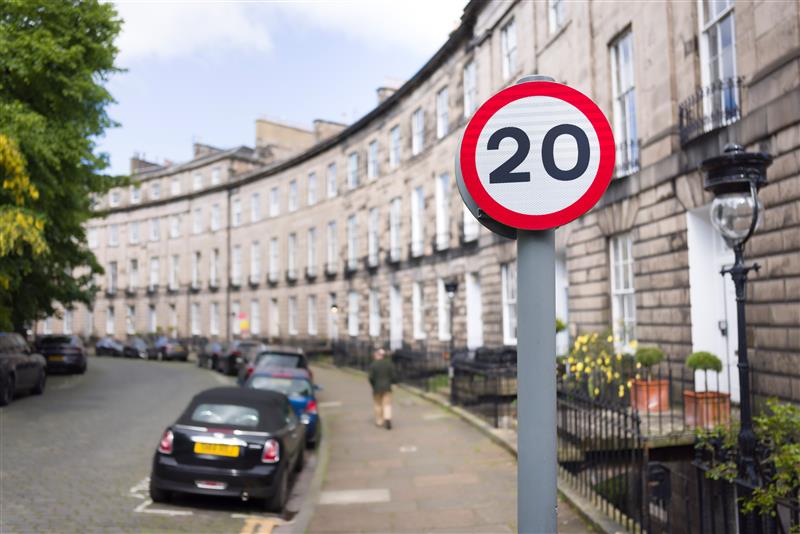
You might have noticed more 20mph zones popping up in towns and cities across Scotland. Places like St Andrews in Fife have fully embraced these lower speed limits, and for good reason. According to Transport Scotland, reducing speed limits to 20mph can significantly decrease the likelihood and severity of accidents.

Lower speed limits:

  • Reduce stopping distances:
    At 20mph, you can stop in about half the distance compared to 30mph. Depending on this factor alone, you can significantly reduce the impact.
  • Lower the impact of collisions:
    A pedestrian hit at 20mph has a 90% chance of survival, compared to just 50% at 30mph. This percentage is critical to your life and health, and it impacts your compensation claim as well. At lower speeds, you will walk away with minor injuries, but at higher speeds, it may turn life-altering or even fatal.
  • Create a safer environment:
    Especially for vulnerable road users like children and the elderly. This is crucial as children are usually not easily spotted due to their height. And the elderly may not be able to respond to a critical situation as quickly as someone younger than them. Also, both children and the elderly have a higher risk involved in the same impact which may not overly affect a healthy young person.

And here’s where it ties into accident claims: If you’re involved in an accident in a 20mph zone, whether or not the speed limit was being followed can heavily influence the outcome of your claim.

Pavement Parking

Pavement Parking Restrictions

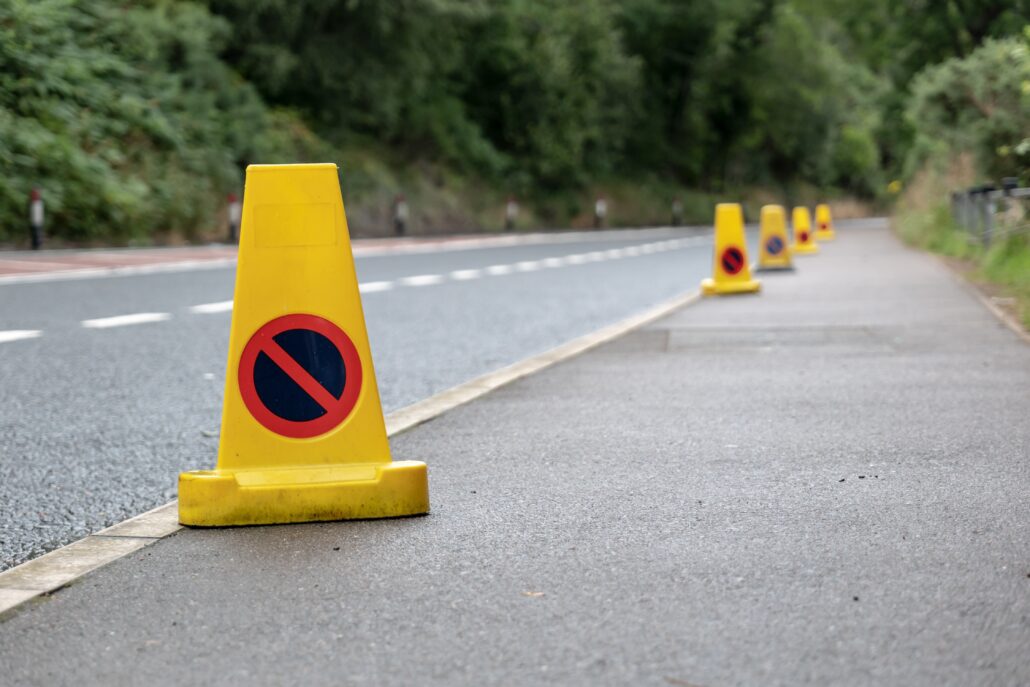
Ever had to squeeze past a car parked on the pavement, dodging traffic just to stay on your route? Glasgow has had enough of that, introducing strict pavement parking bans. Under the new rules, parking on pavements, double parking, and parking at dropped kerbs can get you fined.

Why this matters for accident claims :

  • Improved pedestrian safety:
    Fewer obstacles mean fewer accidents. It’s as simple as that. If pedestrians, cyclists, and other road users can navigate the route with safety, everyone stays safe.
  • Clear liability:
    If a car is parked illegally and causes an obstruction that leads to an accident, the driver is likely to be held responsible. In this case, it becomes crucial for your compensation claim to know where the liability falls.

Stricter pavement parking restrictions are helpful for everyone on the road as they create a safe environment for all road users.


National Speed Management Review

The National Speed Management Review is Scotland’s way of asking, “Are we driving too fast?” One proposal is reducing the speed limit on single-carriageways from 60mph to 50mph. This might not sound like a big deal, but studies show that even small reductions in speed limits can lead to fewer fatal crashes, especially in rural areas where emergency response times can be longer.

For accident claims, this means:

  • Speed limit compliance matters:
    If you’re speeding, even by a little, it can affect your compensation. So be vigilant on the road, look at the speed limits, and follow them strictly.
  • Changing liability landscapes:
    As speed limits drop, expectations around safe driving behaviour shift. At a speed lower than the road limit, the liability may shift from one road user to the other.

Lower speed limits are great for everyone on the road as these provide you with a safe road to use. This is of utmost importance in rural areas where emergency response is usually delayed. These lower speed limits will become a crucial reason for accident statistics to drop in the future.

British national speed limit

Impact of Road Safety Initiatives on Accident Claims

Here we talk about how all the road safety initiatives can affect your road traffic accident claim. Read on as Bonnar Accident Law wants you to be aware of these in case you ever get into a road traffic accident.

Here goes:

Influence on Liability Determination

Let’s talk about liability; who’s at fault when an accident happens? Road safety initiatives play a big role here. Courts and insurance companies look closely at whether all parties followed the rules.

Here are some of the pointers they look for:

  • Speed Limit Compliance:
    Say you’re hit by a driver going 35mph in a 20mph zone. Even if they claim it wasn’t their fault, their speeding can be used as evidence of negligence. Driving over the speed limit is a major factor in liability decisions. If a driver was speeding at the time of the accident, they’re often considered partially or fully at fault, as exceeding speed limits reduces reaction times and increases stopping distances.
  • Pavement Parking Violations:
    Imagine tripping over a poorly parked car on the pavement. The fact that the car was parked illegally strengthens your case. Parking on pavements can obstruct pedestrian pathways and create visibility hazards for other road users. If an accident occurs due to a vehicle illegally parked on a pavement, the parked vehicle’s owner may bear some liability, especially if it contributed to restricted views.
  • Adherence to Traffic Signals and Signs:
    Failing to obey traffic lights, stop signs, or give-way signs is a common cause of road accidents. If one party ignores a traffic signal, they’re typically held liable for the resulting collision.
  • Use of Mobile Phones or Distractions While Driving:
    Distracted driving, especially using mobile phones, significantly affects liability. If it’s proven that a driver was texting, calling, or otherwise distracted, they’re more likely to be found at fault.
  • Weather and Road Conditions:
    Drivers are expected to adjust their driving according to road and weather conditions. Liability can shift if a driver fails to slow down during rain, snow, or icy conditions, even if they are technically within the speed limit.
  • Vehicle Maintenance and Roadworthiness:
    A poorly maintained vehicle can contribute to accidents. Faulty brakes, worn tyres, or malfunctioning lights can shift liability to the driver or even the vehicle owner if neglect is proven.
  • Alcohol or Drug Influence:
    Driving under the influence of alcohol or drugs heavily influences liability. Not only is it a criminal offence, but it also often leads to full liability for any accidents caused under such conditions.
  • Failure to Signal or Improper Lane Changes:
    If a driver fails to use indicators properly or makes sudden, unsafe lane changes without warning, they can be held liable as this behaviour creates unexpected hazards for others.
  • Pedestrian Conduct:
    While drivers have a duty of care towards pedestrians, liability isn’t always one-sided. If a pedestrian crosses the road recklessly (e.g., jaywalking, crossing outside designated crossings, or stepping into traffic suddenly), they may share liability.
  • Dashcam or CCTV Evidence:
    Modern claims heavily rely on footage from dash cams or public/private CCTV systems. This evidence can clearly show the sequence of events, helping to determine liability more accurately, sometimes overturning initial assumptions based on witness statements alone.

Simply put, following road safety rules can protect you from being found at fault. Breaking them? Not so much.

National Speed Management

Effect on Compensation Amounts

Even if you’re partially to blame for an accident, you are still entitled to a road traffic accident claim in Scotland. This is where contributory negligence comes in. Your compensation might be reduced based on your share of the blame.

Consider these examples:

  • Case 1:
    A pedestrian is hit by a car going 30mph in a 20mph zone. The driver’s speeding increases the pedestrian’s compensation.
  • Case 2:
    A cyclist without proper lights is hit by a car driving within the speed limit. The cyclist’s lack of lights might reduce their compensation by 20-30%.

These are two examples for you to understand how compensation claim can be affected by following or breaking the rules.


Role of Evidence on Claims

Evidence is king when it comes to accident claims. Whether it’s dashcam footage, witness statements, or police reports, documentation can make or break a case.

Key pieces of evidence include:

  • Traffic Camera Footage:
    CCTV or traffic camera recordings can provide unbiased, real-time evidence of how the accident occurred. This footage helps establish fault, vehicle positions, and whether any traffic violations occurred.
  • Witness Statements:
    Independent eyewitness accounts from bystanders, other drivers, or passengers can support or challenge the involved parties’ versions of events, especially when there’s conflicting information.
  • Dashcam Footage:
    Personal dashcams have become crucial in road accident claims. They offer clear, timestamped visuals of the incident, which can be invaluable in proving liability or clarifying disputed facts.
  • Photographs from the Scene:
    Photos taken immediately after the accident showing vehicle damage, road conditions, skid marks, traffic signs, and injuries provide visual context that can support claims about how the accident unfolded.
  • Police Reports:
    If the police attended the scene, their official report often includes important details like preliminary fault assessments, statements from involved parties, and notes on traffic violations or other contributing factors.
  • Medical Records and Reports:
    Documentation of injuries sustained in the accident, including hospital records, GP notes, and specialist reports, helps establish the extent of physical harm, which directly impacts compensation amounts.
  • Accident Reconstruction Reports:
    In complex cases, accident reconstruction experts may be used to analyse the evidence and recreate the incident. Their professional reports can clarify details such as vehicle speed, impact angles, and the sequence of events.
  • Vehicle Damage Assessment Reports:
    Professional assessments detailing the extent and nature of vehicle damage can provide insight into the severity of the collision and help determine factors like the point of impact or speed at the time of the crash.
  • GPS and Telematics Data:
    Data from GPS devices, mobile phones, or telematics systems (often installed in company vehicles) can reveal critical information like speed, braking patterns, and exact locations before, during, and after the accident.
  • Road and Weather Condition Reports:
    Evidence about road conditions (like potholes, roadworks, or signage issues) and weather at the time of the accident can influence liability decisions, particularly if adverse conditions contributed to the incident.

Collecting as much relevant evidence as possible strengthens a road traffic accident claim, helping the expert solicitors from Bonnar Accident Law build a more compelling case and increasing the chances of a successful outcome.

car accident insurance

Specific Considerations for Different Road Users

Here are some specific considerations for you to remember whether you are a pedestrian, a cyclist, a motorist, a motorcyclist, a car driver, a bus driver, etc.:

Pedestrians

Pedestrians are vulnerable, and many road safety initiatives focus on protecting them.

If you’re a pedestrian involved in an accident:

  • Illegal Parking:
    If a car parked illegally forces you into the road and you get hit, that illegal parking strengthens your claim.
  • Speeding Drivers:
    If you’re hit in a 20mph zone by someone going faster, their speeding will likely put more liability on them.

Cyclists and Motorcyclists

Cyclists face unique risks. Dedicated bike lanes and lower speed limits help, but accidents still happen.

Here’s what to remember:

  • Driver Negligence:
    If a car cuts you off without checking its blind spot, it’s a strong case for driver negligence.
  • Cyclist Compliance:
    Using lights, wearing helmets, and following traffic laws can protect you legally and physically.

Motorists (Cars, Vans, and Buses)

Drivers of all types need to follow road safety laws.

In an accident:

  • Speeding:
    Even going 5mph over the limit can shift liability.
  • Pavement Parking:
    If you park illegally and cause an obstruction that leads to an accident, you could be held partially or fully responsible.

Legal Perspective on Road Safety Compliance

Here are a few legal perspectives on road safety compliance that you need to be aware of:

Statutory Duties and Responsibilities

Under UK law and Scottish law, all road users must act responsibly.

This includes:

  • Obeying Speed Limits:
    All road users must adhere to posted speed limits. Speed limits are set based on road conditions, traffic flow, and safety considerations. Exceeding them not only increases the risk of accidents but can also affect liability in the event of a collision.
  • Avoiding Illegal Parking:
    Parking in restricted zones, on pavements, near junctions, or in bus lanes can create visibility hazards and obstruct traffic flow. Illegal parking can lead to fines and may contribute to liability if it causes or worsens an accident.
  • Using Proper Signals and Lights:
    Drivers are legally required to use indicators when turning or changing lanes to communicate their intentions clearly to other road users. Additionally, using headlights correctly—especially in poor visibility—is vital for safety.
  • Maintaining Vehicle Roadworthiness:
    It’s a legal duty to ensure your vehicle is roadworthy. This includes having a valid MOT, functioning brakes, lights, tyres with legal tread depth, and other essential safety features in good condition.
  • Adhering to Traffic Signs and Road Markings:
    Road signs and markings are designed to regulate traffic and ensure safety. Ignoring them, such as running a red light or crossing double white lines, is a legal offence and can result in penalties or increased liability in an accident.
  • Driving Without Distractions:
    The law prohibits the use of handheld mobile devices while driving. Road users must stay focused, avoiding distractions like texting, adjusting in-car entertainment, or eating, which can impair reaction times and decision-making.
  • Ensuring Fitness to Drive:
    Drivers have a legal responsibility to ensure they are physically and mentally fit to operate a vehicle. This includes not driving under the influence of alcohol, drugs, or when excessively fatigued. Certain medical conditions must also be reported to the DVLA.
  • Respecting Pedestrian Crossings:
    Drivers must give way to pedestrians at designated crossings, such as zebra crossings. Failing to stop when required can result in fines, points on a licence, and increased liability if an accident occurs.
  • Providing Insurance and Licence Documentation:
    It’s mandatory for all motorists to have valid insurance, a driving licence, and road tax. Failure to produce these documents when requested by law enforcement can lead to legal consequences.
  • Duty of Care to All Road Users:
    Regardless of the mode of transport—whether driving, cycling, or walking—everyone has a legal duty of care. This means acting in a way that does not endanger others, exercising caution, and being considerate of more vulnerable road users like cyclists, motorcyclists, and pedestrians.

Failing to meet these duties can lead to criminal charges and affect civil compensation claims. These statutory duties reflect not just legal obligations but also the shared responsibility of making Scotland’s roads safer for everyone. Failing to meet these duties can impact both criminal liability and civil claims following an accident.

Case Studies

Consider these case studies:

  • Case Study 1:
    A pedestrian was hit by a car in a 20mph zone. The driver was going 30mph. The court assigns 80% liability to the driver and 20% to the pedestrian, who was distracted by their phone.
  • Case Study 2:
    A cyclist without lights is hit by a van. The van was within speed limits but didn’t check its blind spot. Liability is split 60% (van) and 40% (cyclist).

These two examples give you a gist of how liability can be shifted based on how both parties were following the law.

Practical Advice for Road Users

Road safety laws change. They are never the same. Based on the data received and the statistics, laws are amended to accommodate everyone and ensure the utmost safety for everyone on the road.

Stay updated by:

  • Checking Transport Government Websites:
    Regularly visiting official websites like Transport Scotland and the UK Government’s Department for Transport provides the latest updates on road laws, regulations, and safety initiatives.
  • Following Local Council Updates:
    Local councils often implement area-specific traffic rules, roadworks, and safety measures. Checking their websites or subscribing to newsletters keeps road users informed about changes in their locality.
  • Participating in Road Safety Awareness Campaigns:
    Engaging with national and local road safety campaigns, such as Scotland’s Road Safety Framework to 2030, helps road users learn about new laws, safety practices, and government initiatives aimed at reducing accidents.
  • Staying Informed Through News Outlets:
    Keeping an eye on trusted news sources, both online and offline, helps road users stay updated on major law changes, road safety developments, and enforcement crackdowns across Scotland.
  • Using Road Safety Mobile Apps:
    Apps like Highways UK, Waze, or local council traffic apps often provide real-time updates on road conditions, traffic changes, and new regulations affecting road users.
  • Attending Defensive Driving or Refresher Courses:
    Enrolling in defensive driving or advanced motoring courses not only improves driving skills but also educates road users on the latest traffic laws, safety guidelines, and legal obligations.
  • Following Social Media Accounts of Transport Authorities:
    Agencies like Police Scotland, Road Safety Scotland, and local councils maintain active social media pages where they post real-time updates, legal changes, safety tips, and public service announcements.
  • Reviewing the Latest Edition of The Highway Code:
    The Highway Code is regularly updated to reflect new rules, regulations, and road user responsibilities. Checking the latest edition (available online or in print) is crucial for staying compliant.
  • Consulting Legal and Road Safety Blogs:
    Reading blogs from law firms like Bonnar Accident Law specialising in road traffic law or road safety organisations provides easy-to-understand explanations of new laws, legal case studies, and practical advice for road users.
  • Joining Local Driving or Cycling Groups:
    Being part of local motoring clubs, cycling groups, or pedestrian safety organisations helps road users stay informed through discussions, events and shared updates on new traffic laws or safety concerns relevant to their community.

Staying informed isn’t just about avoiding fines or legal trouble—it’s key to ensuring personal safety and contributing to a safer road environment for everyone in Scotland.

Road safety initiatives aren’t just about preventing accidents; they also play a big role in what happens after an accident. Following these rules can strengthen your accident claim while breaking them can complicate things.

Stay informed. Stay safe. And if the worst happens, know your rights. Because road safety isn’t just about rules; it’s about protecting you.

Road traffic accident

Hire Bonnar Accident Law for Road Traffic Accident Claim

At Bonnar Accident Law, we’re always happy to help you with your road traffic accident claim. We specialise in road traffic accident claims and know the ins and outs of navigating the law to get you the compensation you deserve.

Call us today for a no-win-no-fee compensation claim!