


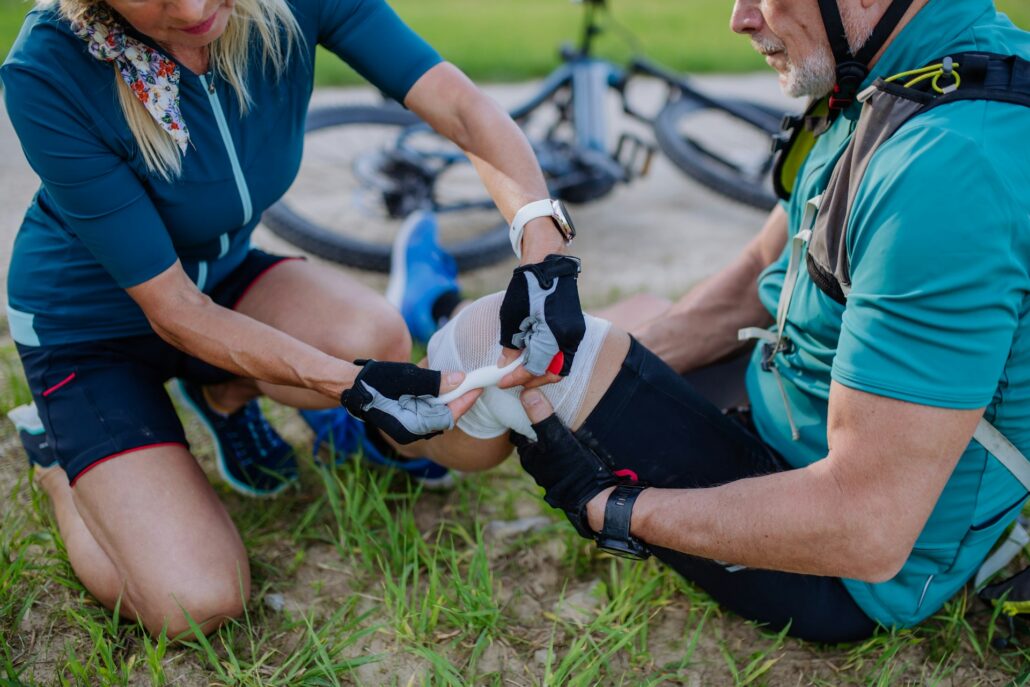
Step-by-Step: How to Make a Leg Injury Claim
Getting hurt in a road accident can turn your day upside down, especially when it affects your leg. Everyday tasks like walking, driving, or even sleeping can become harder. If you have been through something like this in or around Glasgow, it’s helpful to know what steps go into making a leg injury claim. Acting early and keeping track of everything can make a real difference.
Spring in Scotland often means a shift in road conditions. April is still damp, with plenty of rainfall and leftover debris from winter. That can lead to potholes, skids, and slower response times. When someone is injured in this kind of setting, knowing the process can help avoid delays. We will walk through the key steps, from what to do straight after the accident to how the legal process usually works.
Understand the Early Steps After a Road Accident
What you do right after an accident matters. Whether walking, cycling, or driving, it is important to report what happened. Even if it feels minor, do not assume you will feel better in a few hours. The first few moments can impact how everything plays out later.
- Always report the accident to the police or relevant authority. A record of the event supports what happened.
- If possible, gather details from others involved and note the time, place, and road conditions.
- Take clear photos if you can. Images of your bike, the road surface, or visible injuries help show how it happened.
- Find out if anyone nearby saw what took place. A short witness statement can go a long way in filling gaps.
Most importantly, even if you are only feeling sore or shaken, see a GP or go to A&E. Some injuries do not show up right away and can get worse if ignored. Bruised or twisted legs might not seem serious at first, but they should still be looked at professionally.
Get Medical Evidence to Support the Claim
Your medical records are what link the injury to the accident. Without this connection, it becomes much harder to explain the cause or push forward with a claim. The sooner you are seen, the clearer the link will be.
Some leg injuries, like sprains or ligament damage, can take hours or days to show fully. Swelling might build slowly and mask a more serious problem. That is why returning for follow-up care is just as important as the first visit. It shows how the injury developed and what care you have needed.
- Keep a copy of all visits, prescriptions, or referrals.
- Do not skip scans or therapy sessions. These add detail to your recovery timeline.
- Ask your doctor how long recovery might take and what day-to-day effects to expect.
Putting together full records right from the start often helps explain how an injury has shaped your life, not just your leg.
Build a Clear Timeline and Keep Personal Notes
Sometimes the medical side and the personal experience do not match. That is why it helps to write things down in your own words. It does not have to be formal. Even a short note each day can show how things have changed since the accident.
- Track how often you feel pain or swelling
- Record what types of movement are difficult, like walking up stairs or standing at work
- Save notes on missed shifts, cancelled plans, or added travel for appointments
Even a text to a friend saying, “My leg is aching again” or “Just got home from physio” helps support your case. These small details show the real effect of the injury and help fill gaps between the doctor’s visits and what life is really like when healing.
Understand How the Legal Process Works for Injury Claims
Once you have decided to start a leg injury claim, the process can feel long. That is normal. Every claim moves at its own pace, depending on the injury and how clear the evidence is.
It often starts with sharing details of what happened, handing over your medical reports, and giving a clear outline of how life has changed. After that, the work begins, gathering reports, reviewing your records, and sometimes waiting for expert opinions.
- Most claims take time, especially when the injury takes weeks or months to heal
- Some may include an early offer, but others wait until full recovery is better understood
- Injuries that involve breaks, surgery, or long-term change might be looked at differently than soft tissue damage
What helps most is having patience. A claim does not always move quickly, but steady steps make it stronger.
Bonnar Accident Law offers a no win, no fee service for all road traffic accident claims, letting you pursue a leg injury claim without the risk of upfront legal fees. Our solicitors are experienced in claims involving fractures, knee injuries, or lasting mobility changes. We handle negotiations directly with insurers, allowing you to focus on recovery while we manage the legal work.
What Spring Road Conditions Mean for Accidents
April weather in Glasgow can be misleading. One day might feel mild, the next wet and cold again. Roads are often still damp, with leftover grit, mud, or rain causing bikes to slip and cars to slide. Spring also brings more cyclists and pedestrians outside, which changes traffic flow.
Anywhere there is a mix of poor visibility, potholes, or wet tarmac, accidents can happen, even at low speed.
- A slow-moving fall from a bike or trip stepping off a kerb can still cause a real leg injury
- Roadworks and gravel patches often mean uneven surfaces feel more dangerous
- Do not brush off mild pain after a bump, it might be masking a larger problem that needs care
Fast or slow, heavy or light, accidents can affect muscles, bones, and movement. Waiting to see how it feels tomorrow often just delays the help you could get today.
Moving Forward After a Road Accident Injury
Getting support for a leg injury after a road accident is not just about one step, it is a chain of small actions. Early reporting helps. So does getting checked, taking notes, and being ready to talk through how it has affected you. While the process takes time, knowing each step makes it feel more manageable.
We understand that dealing with an injury can be tiring, both physically and mentally. But the right information, recorded clearly and shared with care, helps support your leg injury claim. The first focus should always be health. From there, each choice builds something stronger.
Anyone recovering from a road traffic injury in or around Glasgow knows how challenging it can be when healing is mixed with paperwork, particularly if mobility is limited. Starting a leg injury claim may feel overwhelming, whether your accident involved a car, bike, or even uneven road surfaces. At Bonnar Accident Law, we understand your situation and are here to guide you through every step. Reach out to us today and let our experienced team help make the process clearer and easier.