


Broken Pelvis Compensation: What Can Be Claimed
A broken pelvis can change your life in ways you don’t expect. After a crash, just walking from one room to another can become a struggle. Getting into a car, standing at the sink, or even resting in bed may hurt more than you imagined. That kind of injury doesn’t just interrupt your day. It can stop you from working, driving, or doing what you enjoy.
When someone else caused the accident, broken pelvis compensation may help cover things like medical care, travel costs, or lost pay. It won’t undo what happened, but it can help take some of the pressure off while you recover. This is especially true in places like Glasgow where winter weather can make healing feel even slower.
Understanding a Broken Pelvis After a Road Accident
A broken pelvis often happens when strong force hits the body. In road accidents, that could mean someone sideswipes your car, knocks you off your bike, or hits you as you cross the street. The pelvis supports your weight when you sit, stand, or walk, so when it’s damaged, everything feels harder.
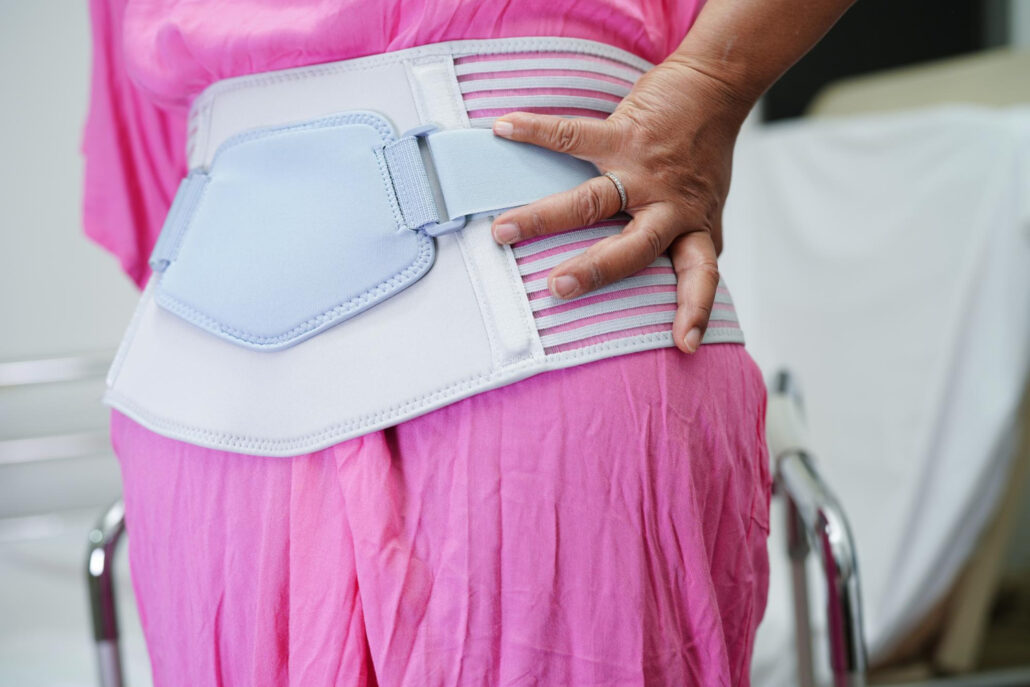
We’ve seen how people with this injury need crutches or even a wheelchair at first. Getting through the house often requires help, and going to the bathroom or showering might not be possible without support. That kind of change can leave you feeling frustrated, tired, or low.
A big part of the struggle is time off work. Whether you’re self-employed or working full-time, not being able to earn can take a toll on your income and stability. It’s not just the physical pain that makes recovery tough, but how much life has to change around it.
We work on a ‘no win, no fee’ basis, removing the worry about upfront legal costs for people affected by road accident injuries. We have been supporting clients with serious fractures, including broken pelvis claims, since 1977.
What Types of Compensation Can Be Claimed?
When you begin a claim for broken pelvis compensation, there are a few different areas that can be included.
• Pain and suffering: This covers the injury itself, including how much it hurts, how long recovery takes, and any lasting damage.
• Lost earnings: If you’ve missed work or had to reduce your hours, you can claim for the pay you didn’t get during that time.
• Extra expenses: This can include taxi fares to hospital visits, money spent on mobility aids like crutches or walking frames, or the cost of hiring someone to help out at home.
Every case is different, so what one person claims may not match someone else. What matters is showing how the injury affected your life and how those costs added up from the crash forward.
Evidence That Makes Your Case Stronger
To make a strong claim, you need good evidence. These are the details that help prove what happened and how it affected you.
• Medical records: These include x-rays, hospital notes, and reports from your doctor. They show the type and extent of your injury.
• Daily notes: Writing down how you feel, what hurts, and what activities you’ve missed can help paint a clear picture of your limits and struggles.
• Police or witness statements: If the crash was reported or others saw it happen, those accounts help back up your version of events.
All of this together builds a timeline. It shows that your pain and costs didn’t appear out of nowhere, but came directly from that day on the road.
As part of our service, we help clients gather accident reports, contact witnesses, and document injury effects, all of which are important for road traffic accident claims.
How Long Does a Claim Take in Scotland?
Every claim moves at its own speed, but most follow similar steps. It starts with filling in early paperwork and collecting records. Then comes speaking with insurers, getting medical updates, and working out how your health is progressing.
Some injuries take months to heal and leave no long-term problems. Others come with pain that won’t fully go away. That can stretch out the claim and require new medical opinions or reviews. The more time we have to pull together these pieces, the more complete your case can be.
Starting early can make all the difference. You don’t need every document ready from the start. What matters is leaving enough time for everything to come together while the facts are still fresh and support is easier to find.
What to Expect in Late Winter Road Conditions
February in Scotland brings slick roads, frozen footpaths, and poor visibility. Road accidents rise when cars can’t stop in time or when bikes slide out on black ice. That’s part of why late winter often sees more injury claims like broken pelvises.
But cold weather doesn’t just cause accidents. It can slow healing too. Missing therapy sessions because buses aren’t running or having to reschedule hospital visits because of snow can drag out recovery. That may affect how long a claim takes and how much help you need along the way.
It’s also good to know that weather doesn’t excuse someone’s bad driving. Even when the roads are icy, drivers still have a duty to take care. Failing to do that can still count as negligence under law.
Finding Peace of Mind in a Difficult Time
A broken pelvis touches every part of your life. You can’t move freely, work as normal, or rely on the same routines. That takes a mental toll just as much as a physical one. Knowing you’re not alone in it, and that help could be possible through compensation, can ease some of that weight.
We always want people to feel clear about what steps are open to them. Being informed makes tough decisions a bit easier. If you’re in Glasgow, and winter has made this time even harder, knowing where you stand can help with what comes next.
Recovering from a serious road accident in Glasgow can feel overwhelming, especially when dealing with long-term pain, time off work, and daily challenges. You may be entitled to claim travel costs, loss of earnings, or help at home, all as part of your broken pelvis compensation case. At Bonnar Accident Law, we’re here to help you understand your options and support you every step of the way, just give us a call whenever you’re ready to talk things through.