

What Dashcam Footage Can Prove in Your Accident Claim
When you’re out driving, accidents can happen in a split second. The moments after a crash are often confusing, especially when it comes to figuring out who was at fault. That’s where dashcam footage can really help. It offers a clear, unbiased look at what actually happened on the road, and it’s becoming more and more useful when trying to prove what went wrong during a traffic accident.
In Glasgow, where busy streets, unexpected weather, and high traffic areas raise the chances of collisions, having solid evidence can make a big difference. Dashcams give drivers and passengers peace of mind. They don’t just record footage, they can support a claim when it’s time to explain your side of the story. If you’re ever in this situation, that video clip could be what helps set the record straight.
The Role Of Dashcams In Traffic Accidents
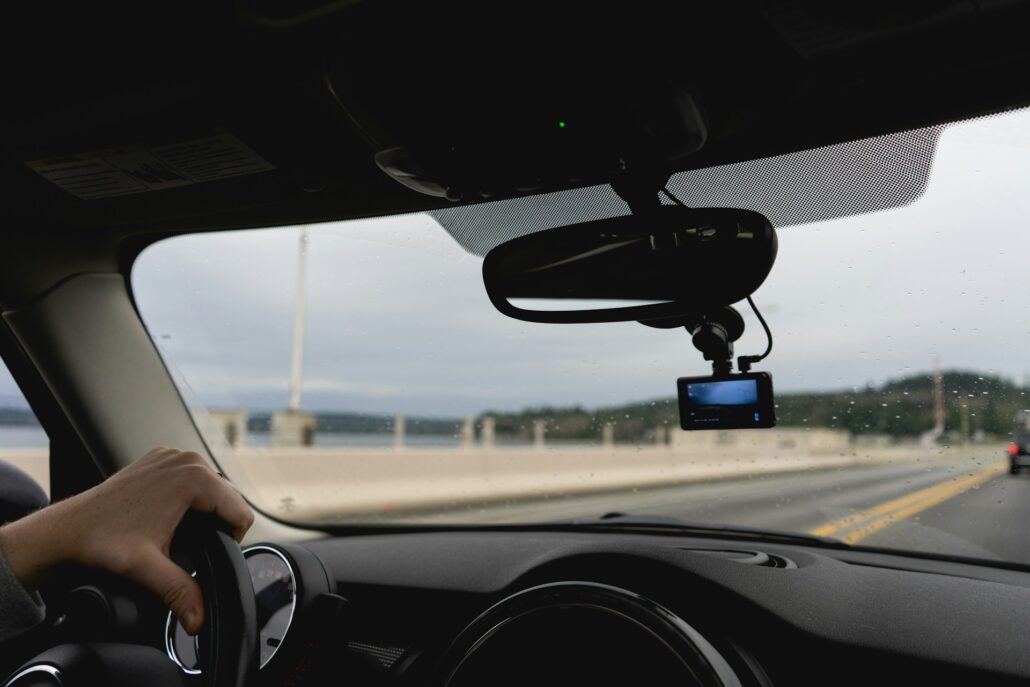
A dashcam, short for dashboard camera, is a small device mounted on your windscreen or dashboard that records what’s going on in front of or behind the vehicle. Some dashcams even record inside the cabin. They switch on with your car’s ignition and keep rolling until the engine turns off. With memory cards capable of holding hours of footage and cloud-based backups, these devices are designed to catch everything while you drive.
In Glasgow, more drivers are getting dashcams as a normal part of their kit, like a seatbelt or phone charger. The city’s mix of narrow roads, heavy traffic, and busy motorways makes recording on the go feel like common sense. For some, it’s because they’ve seen accidents happen too often. For others, it’s a helpful thing to have in case the road gets unpredictable whether from other cars, cyclists, or even pedestrians.
When accidents happen, a dashcam can do more than just capture the crash itself. It can show the lead-up, what the driver and others were doing, and what the road conditions were like. All of that helps build a clearer picture, especially when it comes to making a claim for traffic accidents in Glasgow. Without one, it may just come down to one driver’s word against another’s. But with one, it becomes much easier to lay out the facts.
Types Of Evidence Captured By Dashcams
Dashcams aren’t just cameras. They’re mini data collectors. The kind of evidence they provide includes more than just standard video footage. Depending on the features of the device, a dashcam can often pick up sound, speed, time stamps, and location data, all of which work together to give a detailed picture of what happened.
Here’s a list of what most good-quality dashcams typically record:
– High-definition video: Shows clear images of the vehicles, licence plates, street signs, and traffic signals
– Wide-angle view: Captures more of the environment around the car, including other lanes or pavements
– Audio recording: Picks up conversations inside the vehicle or environmental noises like horns or sirens
– GPS data: Tracks the vehicle’s speed, direction, and exact location
– Time and date stamps: Shows precisely when the footage was taken, often down to the second
– G-sensor activation: Registers sudden movements, like braking hard or getting hit, and saves that part of the video separately to avoid being overwritten
All of this information can be used to support your version of events. For example, if another driver says you were speeding through a red light, your dashcam might show that the light was green and your speed was reasonable. That kind of backup goes a long way when you’re trying to show what really happened, especially in insurance claims or legal conversations after traffic accidents in Glasgow.
Legal Implications Of Dashcam Footage
In Scotland, dashcam footage is generally allowed to be used as evidence, but there are a few things you need to get right. First, the footage must be clear and have a legitimate link to the accident. That means showing what actually happened before, during, or after the crash. If the recording is too blurry or doesn’t offer a full view of the collision, it might not help much.
One important thing to keep in mind is personal privacy. If your dashcam records audio or captures people’s faces, there are certain guidelines that come into play. For personal use, recording public spaces is usually fine, but problems can arise if someone tries to share or publish that content online. In a claim, though, the key is to provide the footage directly to the solicitor or insurance company handling the case, not post it somewhere else.
Courts in Scotland may consider dashcam footage during a personal injury case, especially if it helps support someone’s version of events. While no piece of evidence can fully decide a case on its own, having video proof can give your claim a stronger foundation. Whether it shows another driver cutting you off or speeding through a red light, the footage can often speak louder than words.
How Dashcam Footage Can Affect Your Claim
When you submit dashcam footage as part of your accident claim, it can immediately change how seriously your case is taken. Claims with strong visual evidence are often harder to dismiss. It reduces doubt and helps decision-makers see what really happened, even if the story is complicated.
Here are a few ways dashcam footage can influence your claim:
– Confirming the sequence of events leading up to the crash
– Proving that the other driver was distracted, speeding, or running a red light
– Showing that you were driving safely and were impacted unexpectedly
– Clearing up disputes where each party tells a different story
– Supporting witness claims or showing that no reliable witness was present
Take for instance a situation in Glasgow where a car was sideswiped on a tight city street. Both drivers told different stories about who crossed into which lane. But when one driver submitted dashcam footage showing their correct lane position and speed, their case quickly became much easier to believe. Without that recording, it would likely have turned into a lengthy argument over fault.
Dashcam footage doesn’t just make life easier for you. It helps speed up communication between accident investigators, insurers, and legal teams. That alone can make a big difference in how long it takes to get a fair outcome.
Navigating The Claims Process With Dashcam Evidence
If you’ve got dashcam footage after an accident, you’ll want to handle it carefully from the start. Make sure it’s saved securely, and try not to edit or cut anything out. When a claim is being reviewed, the more complete and original the recording, the better.
Simple steps to get things in order include:
– Backing up the footage on more than one device or storage system
– Writing down the date, time, and place of the incident while it’s fresh in your memory
– Making short notes about what the dashcam shows, so you’re ready to explain details
– Avoiding sharing the footage online, especially on social media
– Mentioning in your claim or to your solicitor that you have dashcam evidence available
A personal injury specialist can help guide you through showcasing your footage the right way. They’ll know how to structure your case around the most helpful parts of the recording, whether that means zooming in on a number plate, pointing out distance from a junction, or handling objections from the other side.
Making Your Case Stronger With Dashcam Footage
Even with just a few seconds of video, dashcam footage can strengthen an accident claim in ways few other sources can. It gives an honest look at how the crash unfolded and removes guesswork from the process. This is especially useful when claims get held up by back-and-forth debates or a lack of reliable witnesses.
If you live or work in Glasgow, having a dashcam is a smart choice. The city’s traffic is often unpredictable, with narrow lanes, sudden stops, and tricky junctions. That makes it easy for accidents to happen and hard to explain what went wrong. But with a dashcam turned on, you’ll always have a clear, time-stamped record of your journey.
Installing one might take just a couple of minutes, but it can be one of the most helpful tools if things go wrong on the road. Whether you’re dealing with a claim now or just planning ahead, dashcam footage can give you something solid to rely on.
Why Legal Support Matters When Accidents Happen
Traffic accidents in Glasgow are all too common, and when they happen, they can leave more than just car damage behind. Sorting out what comes next, from insurance to injury claims or dealing with another driver, can turn into a lot to manage. Getting the right support with your dashcam footage can take a big weight off your shoulders.
Footage from your dashcam will always be more helpful when it’s backed by someone who knows how to use it properly. Understanding how the footage fits into the legal process is one thing, but presenting it clearly and professionally is what really helps make progress. If you’ve got evidence, the most important step is using it in a way that works best for your case.
Whether you’re currently handling a claim or planning to be ready in case of future incidents, having the right support can make all the difference. To make sure you’re fully prepared, learn more about how dashcam footage can assist with traffic accidents in Glasgow by getting in touch with Bonnar Accident Law. Our experienced team can help guide you through the process, ensuring your evidence is presented accurately and effectively.