
Who’s Responsible in Road Traffic Accidents in Glasgow?
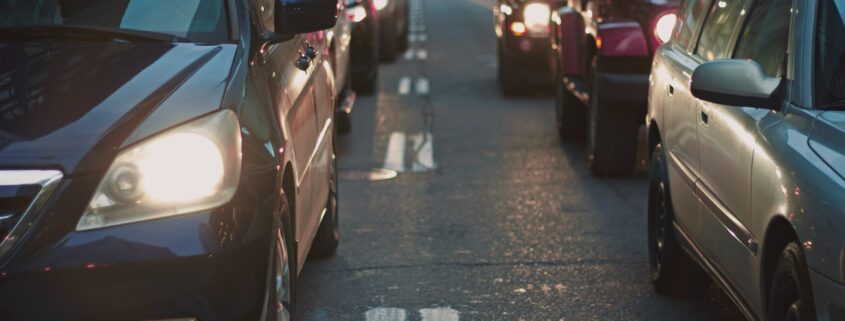
Traffic in a busy city always carries some risk, especially when it comes to figuring out blame after a crash. In a road traffic accident in Glasgow, everything can change in a second, but sorting out who’s at fault often takes longer. City streets are full of drivers, cyclists, and pedestrians trying to share space. That means accidents are rarely simple.
Determining fault can be frustrating. Sometimes both parties are sure the other was to blame. Other times no one speaks up, and it’s left to witness reports or camera footage to offer clues. We’ve seen how confusing this can get, especially with tight junctions, narrow lanes, and fast-moving traffic. So it’s worth knowing how responsibility gets decided, and why the small details matter so much.
Understanding How Liability Works
The first thing to understand after a crash is that fault is tied to what’s considered “reasonable behaviour” behind the wheel or on the road. Responsibility depends on whether a person followed the rules and acted with care. If someone ignored signs, ran a red light, or didn’t give way, they might be considered at fault.
Evidence has a big role in this. Photos from the scene, dashcam footage, statements from both drivers, and even markings on the road help piece together what really happened. In cities like Glasgow, junctions can be tricky, especially around areas like Charing Cross or the Kingston Bridge. These are places where several lanes meet or join quickly, which makes accidents more likely when someone makes a rushed decision.
- Visual clues matter, road markings, tyre tracks, and vehicle damage can support how events unfolded
- Timing details, such as when lights changed or who entered the junction first, can tip the scale of responsibility
- Scene records, police reports, timestamped photos, and medical records are all part of the story
The cleaner the timeline and evidence, the more likely it is that fault can be sorted without long delays.
The Role of Drivers, Cyclists, and Pedestrians
Everyone on the road has a part to play in safety. Drivers need to stay mindful of their surroundings, keep to the speed limit, and remain fully alert. Cyclists are expected to follow traffic flow, use proper hand signals, and avoid weaving through cars at lights. Pedestrians must cross at marked paths and check traffic before stepping out.
When accidents happen, blame can fall on anyone who didn’t take proper care, not just the drivers.
- A driver might be found at fault if they failed to indicate, were distracted, or ignored more vulnerable road users
- A cyclist riding the wrong way down a one-way street may share blame for a crash
- A pedestrian crossing mid-block without looking could be held partially responsible
In some cases, more than one person holds part of the blame. This kind of shared fault doesn’t cancel out a claim but can change how compensation is worked out. It’s the actions of each person up to the moment of the crash that are looked at.
Common Scenarios That Lead to Disputes
Not every accident has a simple answer. Some crash scenes raise more questions than they solve, especially where visibility is poor or traffic moves unpredictably. Late summer in Glasgow often brings on heavy showers that reduce visibility just when roads are busiest. Throw in confusion at a multi-lane roundabout or merging point, and disputes quickly arise.
Situations that often cause disagreement include:
- Vehicles merging from two lanes just before lights, where both parties claim right of way
- Roundabouts with more than three exits, where drivers misjudge who entered first
- Right turns across traffic with unclear signals or poor visibility
These grey areas often lead to back-and-forth arguments, and the chance of misunderstanding goes up when drivers rush or make split-second choices.
Why Police Reports and Witnesses Matter
Details from the scene are strongest when written down clearly and quickly. A police officer’s notes from the site of a crash usually include where each vehicle was, damage type, road conditions, and whether anyone admitted fault or broke a traffic law. That type of record can become key in deciding what really happened.
Witnesses, too, can shift the outcome. A passenger, someone on the pavement, or another driver nearby may have seen who sped up, failed to stop, or hit the brakes late.
If neither a police report nor witnesses are available, other evidence becomes more important. That might include:
- Dashcam footage from either driver or a nearby parked car
- Traffic camera clips from that date and time
- Photos and timestamped messages showing the aftermath
Acting quickly to collect or request these things is helpful, especially before road surface marks begin to fade or any repairs are made.
Our site points out that police records and independent statements are especially valuable when insurers or drivers dispute responsibility after a crash.
When Fault Isn’t Straightforward
Some crashes happen without direct contact between the two involved parties. For instance, swerving to avoid someone who cuts in could lead one car to crash, even though they were never physically touched. These are known as no-contact accidents, and they can be tricky when it comes to liability.
Chain-reaction crashes are another type where blame becomes hard to pin down. Imagine rush hour coming out of Glasgow city centre near the M8, where one sudden stop causes three or four cars to hit back-to-back. Who’s responsible often comes down to spacing, reaction times, and who hit whom first.
Sometimes, a driver will say outright that they were in the wrong but later change their story or their insurer disagrees. In those situations, first impressions don’t always match how the process unfolds. Having strong records from the start makes it harder for the facts to get lost.
According to the Bonnar Accident Law website, making a claim for a road traffic accident often relies on witness accounts and timely evidence so disputes can be resolved quickly.
Finding Peace of Mind After an Accident
Responsibility in traffic accidents doesn’t always come with quick answers, but having a strong grasp of what to look for helps bring clarity. Knowing what your role was and how others around you were behaving helps you take back some control when everything feels upside down.
The aftermath of a crash can leave people upset, sore, and stuck dealing with plans they didn’t make. We’ve seen how the stress of sorting out blame can get in the way of recovery. That’s why every small detail counts. A photo, a name, or even the weather that day can add up to a fairer outcome. Staying calm and focused gets you back to solid ground more quickly.
Navigating the aftermath of a road traffic accident in Glasgow can feel overwhelming, especially when liability is unclear. At Bonnar Accident Law, we understand the challenges involved and the importance of strong evidence when blame is disputed. For more details about what can influence your claim, see our information on road traffic accident in Glasgow, and contact us if you need support.