


Accident Claims

When Insurance Companies Dispute Your Medical Evidence

After being in a road traffic accident, you expect your recovery and claim process to move smoothly, especially when you’ve done what’s asked of you. You’ve seen a doctor, kept your appointments, and followed advice. But then, the shock hits again when your insurance company questions your medical evidence. They might say your injury isn’t that serious, or that your medical records don’t support what you say happened. It feels unfair and can slow things down when you’re just trying to move forward.

When this happens, it’s easy to feel stuck or unsure of what to do next. That’s why it’s important to know what counts as medical evidence and why insurers might challenge it. Once you understand how things work, it’s easier to take back some control and make clearer choices about what to do next. If you’re dealing with road traffic accident claims in Glasgow, this is especially important since local cases will follow specific procedures and expectations.

Understanding the Role of Medical Evidence

Medical evidence plays a key part in supporting your accident claim. It helps show that your injuries were caused by the accident and that those injuries have affected your health, work, or day-to-day life. This evidence can be anything from your GP’s notes to hospital treatment records and specialist reports. In a road traffic accident case, what the evidence says or doesn’t say really matters.

Valid medical evidence usually includes:

– Records from a GP visit shortly after the accident
– Hospital discharge notes or emergency room reports
– X-rays, scans, or other diagnostic tests related to the injury
– Written statements from treating doctors or specialists
– Physiotherapy referrals or treatment notes

Each of these documents supports your claim by building a timeline that shows what happened and how the injury developed. Even things like prescriptions or letters from mental health providers can make a difference, especially if you’re dealing with long-term pain or emotional distress after the accident.

Often, the sooner you receive this documentation, the stronger your case becomes. If there’s a long delay between the crash and the first doctor visit, it can raise doubts. Early records show the injury wasn’t from something else and that you acted responsibly by getting checked out promptly.

Common Reasons for Insurance Disputes

Dealing with an insurance company that disagrees with your medical evidence can be frustrating. You might feel like you’ve done everything right, but still they push back. Understanding why this happens can help with setting expectations and preparing a better response.

Here are some of the most common reasons insurers dispute medical evidence:

– Delays in seeking treatment: If you didn’t see a doctor right away, the insurer might argue the injury wasn’t serious or wasn’t caused by the accident.
– Gaps in documentation: Missing reports or incomplete records can cause doubt around your claim.
– Inconsistencies in your story: If your police statement differs from your medical report, even by a little, insurers may question your credibility.
– Existing health problems: Insurers might suggest your injury is linked to a past condition rather than the current accident.
– Soft tissue injuries: Sprains and whiplash can be harder to prove medically, giving insurers more freedom to cast doubt.

Someone we assisted in Glasgow was injured while cycling but delayed visiting their GP. They thought it was only bruising until several days later when walking became painful. Eventually, they were diagnosed with a hairline fracture. The insurance company challenged this claim, stating the injury might have occurred later. Issues like this highlight why insurers dig into the timing and consistency of your medical records.

These types of disputes are common but preventable. Acting quickly and documenting everything from the beginning can help reduce the risk of problems.

Steps to Strengthen Your Medical Evidence

There’s no one-step fix for building reliable medical evidence after an accident. What you do in the days and weeks after it happens plays a major role in how smooth your claim process goes. If the insurer spots weak areas in your files, it gives them reason to question or reduce their payout.

Here are some ways you can protect your claim:

– Visit a doctor as soon as possible after the accident, even if you feel okay
– Keep all medical documents, including referrals, prescriptions, and appointment records
– Write down your symptoms regularly to track how the injury affects your daily life
– Attend all follow-up appointments
– Ask for a second opinion if you’re unsure about the diagnosis or treatment plan

Staying organised goes a long way. Use a folder or app to keep track of everything. If you’re in Glasgow and seeing different doctors or going to multiple clinics, make sure they’re all reporting the same injury timeline. This helps prevent confusion and stops insurers from picking holes in your evidence.

How to Respond to an Insurance Dispute

If you find yourself facing a dispute from the insurance company, don’t ignore it or hope it works itself out. These challenges can cause long delays or result in a reduced payout. Acting quickly and clearly can make a big difference.

Start by reviewing the insurer’s response. They should explain why they disagree with your claim. Once you understand the issue, put together more detailed evidence to close any gaps or clear up confusion. You may need to get additional notes from your GP or ask a specialist to revise their report.

Here’s a checklist to help you respond effectively:

1. Collect all medical records already shared with the insurance provider
2. Ask your doctor to add notes or correct anything that was missed or unclear
3. Document every exchange with your insurer
4. Request updated records showing any ongoing symptoms, new treatments, or further medical opinions
5. Speak to a legal professional experienced in dealing with accident claim disputes

Trying to figure it out alone can be stressful, especially while recovering. A professional who understands your situation can help present your evidence in a way that’s harder for insurers to argue against. Even a small fix in the wording of a medical note can stop a dispute from dragging on.

Moving Forward with Confidence

Facing an insurance dispute can feel like another setback when all you want is to move forward. But it doesn’t have to stop your claim. With the right actions and support, you can strengthen your documents and push your case forward.

Insurance companies look closely at the facts. A strong medical paper trail makes it easier to prove your injuries and harder for the insurer to disagree. Whether you’re still at the early stages or already facing a dispute, the choices you make next will shape the outcome.

For those in Glasgow, following proper procedures, staying on top of your appointments, and keeping every record matters. While the process may be long, being prepared and knowing how to respond can help you feel more in control.

You don’t have to go through it by yourself. Claims aren’t always straightforward and plenty of people come up against challenges with insurers. What matters most is that you push ahead, protect your rights, and get help when you need it. Your injury deserves recognition and a fair outcome. With the right advice and clear, full evidence, that outcome becomes much more likely.

If you’re dealing with insurance disputes after a road traffic accident, you’re not alone. Having the right support can make all the difference. For guidance tailored to your situation, consider speaking with Bonnar Accident Law about your road traffic accident claims to navigate these challenges effectively.

Vehicle Damage Claims

Making a Claim for Vehicle Damage and Replacement Transport

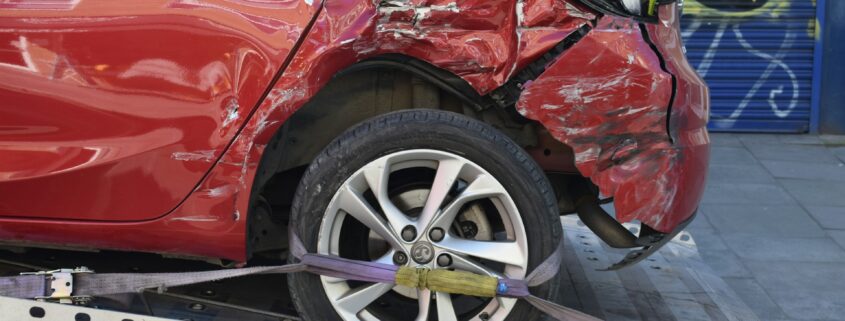
Being involved in a road traffic accident in Glasgow can be overwhelming, especially when your vehicle gets damaged. Once the shock wears off, you’re often left sorting out repair bills, figuring out your transport options, and making sure everything is reported properly. These little tasks can pile up quickly and make recovery even harder, both mentally and financially.

One of the most important things to understand early on is your right to claim for vehicle damage and get access to a replacement vehicle while yours is out of action. The process doesn’t have to be complicated, but knowing what steps to take and when can make a big difference in protecting your time, safety, and money.

Immediate Steps To Take After The Accident

Right after a road traffic accident, safety and documentation should be your top priorities. It’s easy to panic, but taking the right steps early can give you a solid base for any claim you might need to make.

Here’s what you should do:

1. Get to a safe place – If you’re in the middle of the road or it’s not safe where the collision happened, move yourself and anyone in your vehicle to a safe area, if possible.

2. Call emergency services – Even if no one feels seriously hurt, it’s still a good idea to contact the police and report the crash. Some injuries don’t show up straight away, and getting a police report can help with your insurance claim later.

3. Collect information – Exchange names, phone numbers, addresses, and insurance details with the other driver. Make note of their vehicle registration, and if you can, get photos of the scene.

4. Document everything – Take plenty of photos of your vehicle, the other vehicle, and any damage to public or private property. Get wide shots of the area too. If there are skid marks or debris, snap those as well, as they can help back up your version of events.

5. Look for witnesses – If anyone nearby saw what happened, ask for their contact information. Their perspective can help support your case if the other driver’s version doesn’t match yours.

One example we’ve come across is when someone in Glasgow was rear-ended during rush hour and didn’t gather any evidence at the scene. They ended up in a back-and-forth with insurers for months. If they’d taken photos and asked two nearby cyclists for a quick statement, the process could’ve been sorted so much faster.

These steps add clarity to your claim and can prevent delays, especially when it comes to proving fault or dealing with a difficult insurance provider.

Understanding Vehicle Damage Claims

Once things settle down, you’ll need to think about repairing your vehicle and how to pay for it. Whether it’s minor cosmetic damage or your car is no longer driveable, it’s possible to claim for repairs or replacement through either your own insurer or the at-fault driver’s insurer, depending on the situation.

Types of damage you may be able to claim for include:

– Physical body damage (bumper, doors, mirrors, lights)
– Mechanical issues caused by the impact
– Scratches, dents, and broken glass
– Total loss if your vehicle is declared beyond repair

Before you can move forward with a claim, you’ll need to collect supporting documents such as:

– The official police report (if one was filed)
– Your insurance details and policy number
– A repair estimate or vehicle assessment from a trusted garage
– Any photos or videos you took at the scene

Once everything is documented, you can pass the details to your insurer or legal adviser. Depending on the type of policy you have, your insurance provider might take care of vehicle repairs and then recover the costs from the other party’s insurer. If the accident wasn’t your fault, you shouldn’t have to claim on your own policy and risk losing your no-claims bonus.

Understanding how these claims work gives you more control over what happens next. It also helps you avoid paying out of pocket for something you weren’t responsible for.

Replacement Transport Options

When your car is badly damaged in a road traffic accident in Glasgow, getting around can quickly become a problem. Daily routines get disrupted if you rely on your vehicle for work, school runs, or family responsibilities. Waiting days or even weeks for repairs makes a replacement car a real need, especially during colder December weeks when walking or using public transport isn’t always easy or safe.

There are normally three routes people take when it comes to replacement cars:

1. Your insurance provider – Many comprehensive insurance policies include the use of a courtesy car while yours is being fixed. This service often depends on the terms of your policy and if the garage carrying out the repair works with your insurer. Be sure to read the policy documents carefully, especially the parts about courtesy vehicles.

2. The other driver’s insurer – If the accident wasn’t your fault, the at-fault party’s insurer may arrange temporary transport for you. This usually involves getting a car of similar size and type to what you were driving, though this sometimes takes longer to organise unless you’re getting legal support.

3. Accident management companies – These companies can step in and offer help with both your claim and temporary transport. They usually directly recover the hire and repair costs from the other driver’s insurer, so you’re not out of pocket if liability is already clear.

One thing to watch for is if liability is still being looked into or disputed, getting a replacement vehicle might take a bit longer. Keep records of all communication and ask for written confirmation from whoever supplies your transport.

Legal Support And Compensation

Making a claim for vehicle damage often seems straightforward at first glance, but it tends to get more complicated once insurance companies start talking. From disputed liability to offers that seem lower than expected, having legal help can make sure you get what you’re entitled to without all the back-and-forth.

Here’s how a proper legal team can help guide and protect your claim:

– Reviewing your documents – Making sure your paperwork is complete and accurate before it’s submitted
– Dealing with insurers – Handling hard-to-reach case handlers, chasing updates, and challenging low settlement offers
– Recovering other costs – Sometimes you’ve paid upfront for repairs or a replacement car. These can be added to your claim
– Sorting liability disputes – If the other side won’t accept fault, lawyers can push for fair treatment faster than going through normal claim routes

Many people just accept low offers because they’re too tired or busy to keep chasing. An experienced legal team will know how to handle delay tactics and understand what kind of compensation should actually cover your losses. This includes not just the repairs or write-off cost, but hire charges and added expenses tied to the accident.

That level of support means fewer headaches and clearer answers, especially when providers start pointing fingers at each other. It also helps to avoid falling into common traps like agreeing to early settlements that don’t fully cover your losses.

Staying in Control When the Unexpected Happens

Dealing with vehicle damage after an accident in Glasgow is rarely simple, but understanding your options can make the next steps feel less overwhelming. Knowing how to record what happened, gather evidence, and start the claims process gives you more control at every turn. So does thinking early about how you’ll keep moving while your car is off the road.

Whether you’re waiting for a repair or needing a replacement vehicle quickly, your actions right after the accident carry a lot of weight in shaping the outcome of your claim. Keeping notes, securing clear documents, and acting fast all make it easier to prove what happened and what you’re owed.

More often than not, things don’t go as smoothly as you’d hope. That’s where strong advice and professional support make a difference. They step in when things stall or take a wrong turn, helping you move forward with confidence rather than stress. And after all the disruption, that kind of clarity is worth holding on to.

After a road traffic accident, it can be hard to know who to turn to or what to do next. Whether you’re dealing with repairs, replacement transport, or insurer delays, the right support can take a huge weight off your shoulders. Let Bonnar Accident Law help you move forward after a road traffic accident in Glasgow with clear advice and hands-on assistance when you need it most.

Traffic Accidents

Lost Income Claims After a Road Traffic Accident

Being in a road traffic accident can turn your daily routine upside down, and one of the biggest worries people face afterwards is a sudden loss of income. It takes time to recover, and that could mean missing work, losing out on wages, or even facing long-term changes to your earning potential. The financial stress can quickly pile up, especially if you’re also working through car repairs, medical appointments, and general disruption to your life.

For many in Glasgow dealing with the aftermath of a road traffic accident, this is more than just an inconvenience. Not having stable income for weeks or even months can seriously dent your ability to cover everyday expenses. That’s where lost income claims come in. Knowing what you can claim, how it works, and what you need to prove it can help ease some of the stress and get you back on track faster.

Understanding Lost Income Claims

Lost income claims are exactly what they sound like. If your accident has kept you from working, you may be able to claim for the money you would have earned during that time. It’s not limited to just your regular wages either. Depending on your job and contract, you might be able to claim for additional lost benefits and long-term impacts on your career.

There are a few different types of financial losses that could be included in a lost income claim:

– Missed regular wages or salary from time off work
– Missed overtime that you would normally be scheduled for
– Lost bonuses or commission payments tied to your job performance
– Reduced earnings if you’ve returned to work on limited hours or light duties
– Decreased future earnings if your injury affects your work long-term

Let’s say you work as a delivery driver and an accident injures your back. You’re off the road for six weeks, and when you return, you’re moved into a warehouse role on lighter duties at lower pay. In a situation like that, both the immediate lost wages and the long-term drop in income could be part of your compensation claim.

Even casual or self-employed workers can look at claiming lost income, though it does rely on showing a clear record of previous earnings. Keeping your financial documents in order can really help down the line.

How To Prove Loss Of Income

Proving loss of income isn’t just about saying you didn’t work. You’ll need to provide documents that show what you used to earn, how the accident changed that, and why the time off or income reduction happened because of the injuries you suffered.

Here’s what usually helps:

– Payslips from before the accident
– Your employment contract or official HR statements
– A breakdown from your employer confirming time off with dates
– Bank statements showing past income
– Tax returns or invoices (especially for self-employed people)
– Medical reports proving that you were unfit to work

The medical evidence is just as important as the financial documents. You need to be able to show the link between your injury and your time off work. Without backing it up medically, the claim can become more difficult. This is especially true if you work in a field that requires physical work or specific movements. If your job involves lifting, driving, or standing long hours and your injuries prevent that, having a medical professional explain your recovery period can make a big difference.

The Claim Process Step By Step

Getting started with a lost income claim after a road traffic accident in Glasgow doesn’t need to feel overwhelming, especially when you’re already dealing with physical pain and financial stress. What helps most is understanding the basic process. That way, you stay organised and know what to expect as things move forward.

Here’s a simple breakdown of what to expect:

1. Gather evidence – Start early. Collect your payslips, bank statements, medical records, and any correspondence with your employer.
2. Get a medical assessment – A doctor will need to confirm your injuries and how they impact your ability to earn.
3. Submit your claim – With everything in place, your solicitor prepares and sends the claim to the insurer of the person at fault.
4. Negotiation – Both sides might go back and forth about the amount of loss or time off. More evidence might be requested at this stage.
5. Payment – Once there’s agreement, you’ll receive your compensation. This might be part of a wider claim, including injuries or other losses.

Delays happen when documents are missing or when there’s disagreement about how long you were unable to work. That’s why keeping careful records and following medical advice from the start is helpful. If your doctor gives you a sick note or approved lighter duties, add that to your claim folder.

Legal Help Makes A Difference

You could try to figure out the claim process on your own, but having legal support often means fewer mistakes, faster progress, and better outcomes. A solicitor knows what insurers look for in a road traffic accident claim and how to push back if your claim is being questioned or undervalued.

It’s especially helpful in cases where your work is flexible or inconsistent, like freelance or contract roles. In these situations, proving lost income often involves showing a pattern of past earnings and estimating how your injuries interrupted that flow. If your injuries have a long-term impact, calculating lost future income becomes more complicated. You’ll want someone who can help make those projections clear and fair.

Another reason to work with someone local is that knowledge of how Glasgow employers, healthcare providers, and courts approach these cases can affect how smoothly and quickly a claim gets handled. Knowing how things typically progress in your area can help set expectations and avoid surprises.

Getting Back on Track Financially

When your lost income claim is resolved, it can feel like a huge relief. But financial recovery doesn’t happen overnight. You might still be adjusting to a different routine, a changed income, or even a new role at work. What helps is having a plan to move forward.

Some useful steps include:

– Set a monthly budget with your new income levels
– Talk to your employer about phased returns, flexible hours, or training options
– Avoid loans or credit cards to cover basic costs while waiting for payment
– If the accident had a mental health impact, speak to your GP about local support
– Keep attending follow-ups with your doctor or therapist where advised

Across Glasgow, there are organisations that offer help after accidents. These may include debt advisors, mental health counsellors, or occupational rehabilitation services. If the accident left you with long-lasting issues, it could also be worth exploring local job centres or charities that support people returning to work under changed circumstances.

Support That Fits You

When you’re going through a road traffic accident claim, particularly for lost income, it really helps to have someone who’s familiar with your kind of work and understands the effect on your life. It isn’t just about paperwork. For many people in Glasgow, this kind of claim is about finding a way to get back on their feet.

Being without income—even for a few weeks—can feel scary. Bills don’t stop, and the longer you’re off work, the more pressure you can feel. Getting clear advice built around your real-life situation can help steady your finances and reduce stress.

Whether your lost income has been short-term or looks to stretch out further, getting professional support that understands your job, your injury, and your recovery can go a long way in helping you move forward confidently.

When facing the challenges of a road traffic accident, having the right support can make all the difference. Whether you’re dealing with lost income or other impacts from an accident, it’s important to know your options. To better understand road traffic accident claims and find guidance tailored to your needs, explore how Bonnar Accident Law can support you. Trust us to help you navigate these tough times and work towards getting your life back on track.