


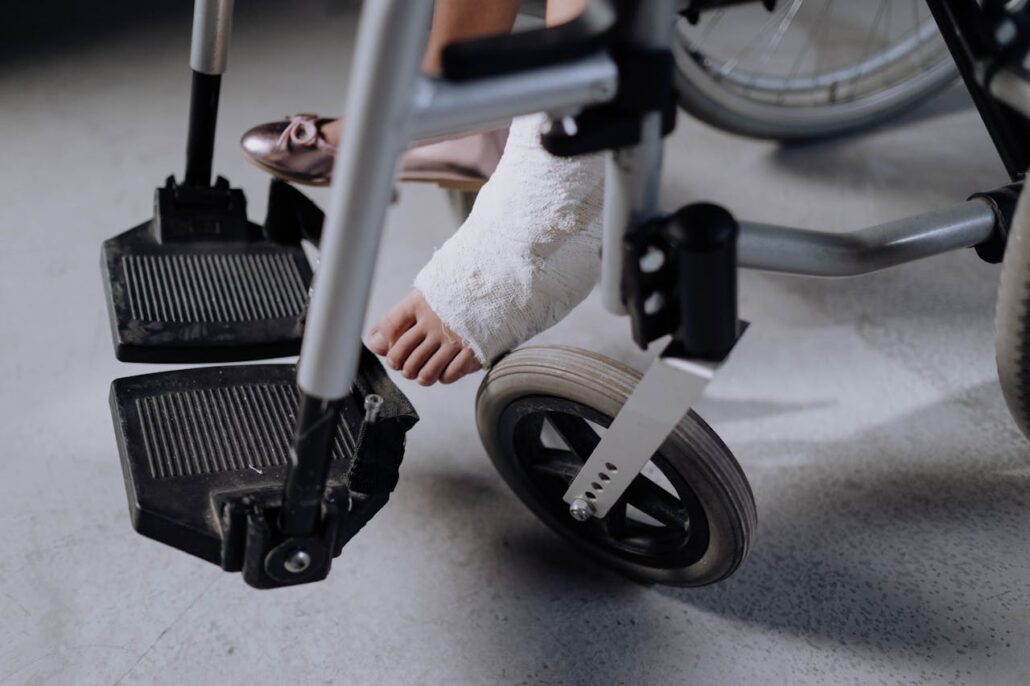
What Personal Injury in Glasgow Usually Involves
When we talk about personal injury in Glasgow, we’re usually looking at accidents that lead to someone getting hurt because of someone else’s mistake. These injuries aren’t only tied to serious road accidents. Sometimes the damage is small but still affects everyday life. Spring brings longer days and better weather, so people naturally spend more time outside. Drivers take to the road more often, cyclists come out in higher numbers, and kids spend more time near streets. All of this raises the risk of something going wrong on the road.
We often hear questions about what really counts as a personal injury, especially after something small turns into a bigger problem over time. As spring moves in, we see more of these situations come up. It’s helpful to know what sorts of accidents might lead to a claim and how they usually happen.
What Counts as a Personal Injury
Personal injury often sounds like a big legal phrase, but here’s what it really means. If someone else’s careless behaviour caused you to get hurt, whether physically or emotionally, that might fall under personal injury.
Some examples we often see:
- A driver runs through a red light and hits another car
- A cyclist is knocked off balance by a van turning too close
- A pedestrian slips crossing the road because a motorbike skidded past too quickly
Some injuries are easy to see. Cuts, bruises, broken bones. Others take longer to spot. Whiplash, leg pain, or even lasting anxiety caused by the shock of the event. Those things can be just as real, even if they develop slowly. What matters most is that the injury affected your life and it could have been avoided if someone else had made safer choices.
Common Causes of Springtime Accidents in Glasgow
As spring rolls into Glasgow, we start to see changes that may seem small but can have a big effect on how people move around. Traffic picks up again, not just cars, but walkers, cyclists, delivery vans, and buses. More daylight means people stay out longer, and that can lead to more risk on the roads.
Here are a few common triggers that we’ve noticed during Scottish spring:
- Rainfall mixed with older roads can make surfaces slick without much warning
- The sun sits low in the sky during rush hour, making it harder for some drivers to see clearly
- More children walk or cycle to school instead of being dropped off, which increases the chance of road crossings
- Road works ramp up after winter, and not all detour signs are well placed or easy to spot
It’s not always reckless behaviour. Sometimes it’s as simple as a missed signal, a blind spot, or worn out tyres. But when these small things cause harm, it’s still a personal injury.
Who Might Be Affected by Road-Related Injuries
We sometimes hear people say, “Well, I wasn’t driving, so I probably can’t claim.” But driving isn’t the only way people get caught up in road injury situations. In fact, being a driver is just one of many roles someone might be in when things go wrong.
- Pedestrians crossing a quiet road can be hit by a speeding car
- Passengers in a taxi or on a bus can get hurt in collisions they didn’t cause
- Cyclists using a bike lane can be forced onto a kerb if a car turns wide
- Motorcyclists are often overlooked in side-view mirrors, causing risky lane merges
We also see certain groups who face more danger depending on the situation. Older people might struggle to react quickly at crossings. Parents trying to juggle bags, kids, and timing may be distracted on foot. Anyone carrying an injury or living with a disability could have slower reflexes and might not be able to get out of the way in time. All of these factors matter when looking at who’s affected and why.
What People Often Don’t Realise About Injury Claims
One thing that surprises many people is how delayed some symptoms can be. You might feel shaken but fine after a car bump, only to wake up with sharp back pain days later. Or maybe you feel nervous every time you walk near the same road, even if you weren’t badly hurt at the time.
We always suggest keeping track of anything that feels out of the ordinary after an accident. Some helpful details include:
- When and where the accident happened
- Any soreness or unusual symptoms, even if they seem small
- Doctor visits, advice given, or medication taken
- Photos of visible injuries, the accident spot, or weather conditions
If someone puts off seeing a medical professional or doesn’t mention how they feel, that can make it much harder later to connect the injury to what happened. Starting a record early helps keep things clear, especially if problems grow over time.
What to Expect from the Process of Talking About It
When people first start thinking about an injury claim, they often don’t know what steps to take. For many, the first move is just checking if what happened even qualifies.
Here’s how things usually begin:
- Reporting the accident, if required, usually to the police, your employer, or even a witness
- Getting medical attention, even if the pain isn’t sharp at first
- Writing down what you remember, including who was involved
Spring often brings some delays that people don’t expect. School holidays can mean longer GP wait times. Some services are slower because of road works or short-term closures. If someone doesn’t speak up early, thinking it’ll pass, time moves quickly and months later it’s harder to follow up. We’ve seen how easy it is for people to hold off because they feel unsure or think their case seems too small. But everyday injuries can interrupt work, sleep, or daily errands in a way that builds pressure over time.
Understanding the Everyday Impact of Injuries
Personal injury in Glasgow includes a wide mix of accidents and effects. While the most obvious ones involve cars, the everyday reality is that these injuries stretch further than most people guess. They don’t always come with flashing lights or big damage. Sometimes it’s a stiff neck that won’t go away after someone braked too hard, or it’s the anxiety of walking near speeding bikes at rush hour.
By understanding what these injuries can look like and how they often happen, it’s easier to catch small issues early before they grow. Spring brings more activity, fresh hazards, and risks that aren’t always obvious right away. If something feels off after an accident, it’s always worth paying attention. The earlier people ask questions or speak to someone, the easier it is to get the right answers.
Dealing with ongoing pain or stress after a road accident can affect your work, travel, and sleep, signalling the possibility of a personal injury in Glasgow. At Bonnar Accident Law, we know how important it is to act promptly rather than hoping things will improve on their own. If daily life has changed since your accident, we’re here to guide you through your options. Give us a call and let’s take the next step together.